Drone inspections help strengthen Northpower's network
Location: Whangārei & Kaipara districts
Dates: February to May 2026
Outcomes: Improved reliability and resilience through early risk detection, fast escalation, safe inspections, better asset insight.
The challenge
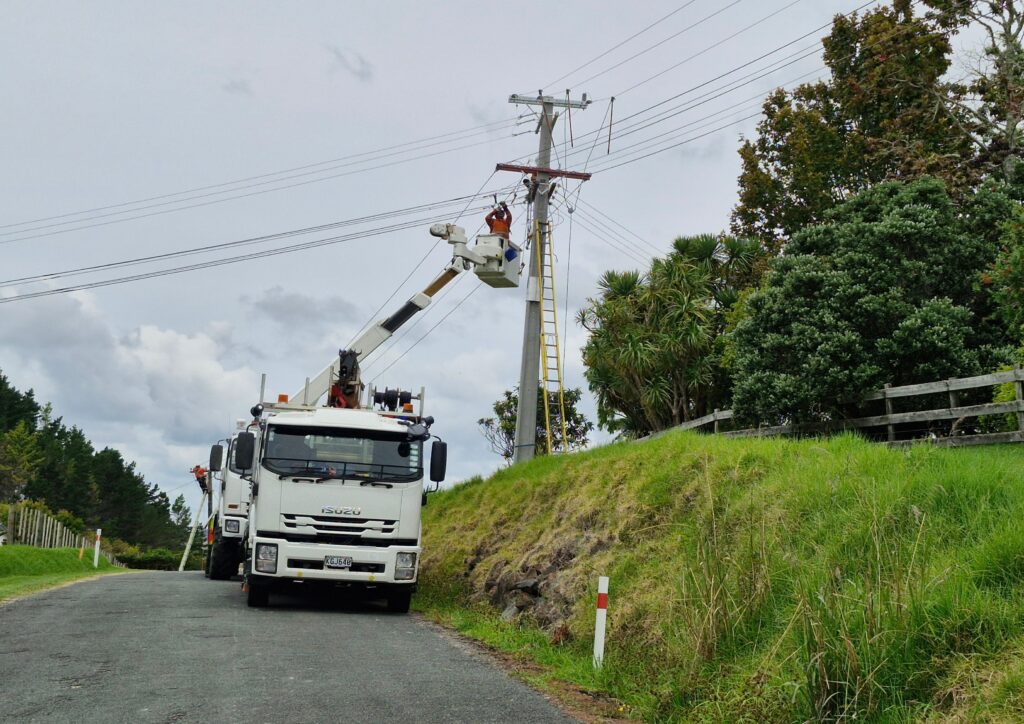
Northpower’s electricity network spans varied terrain and has a range of new to ageing assets. While traditional ground‑based inspections are essential, they can be time consuming and sometimes miss issues that are only visible from above or under load.
By using drones to inspect large areas of our poles and wires quickly, we can find and then fix critical risks earlier, while reducing disruption for customers and the public.
Aerial inspections are designed to capture only network assets, not private homes or people, and data is used solely to maintain the electricity network in line with the Privacy Act 2020.
The approach
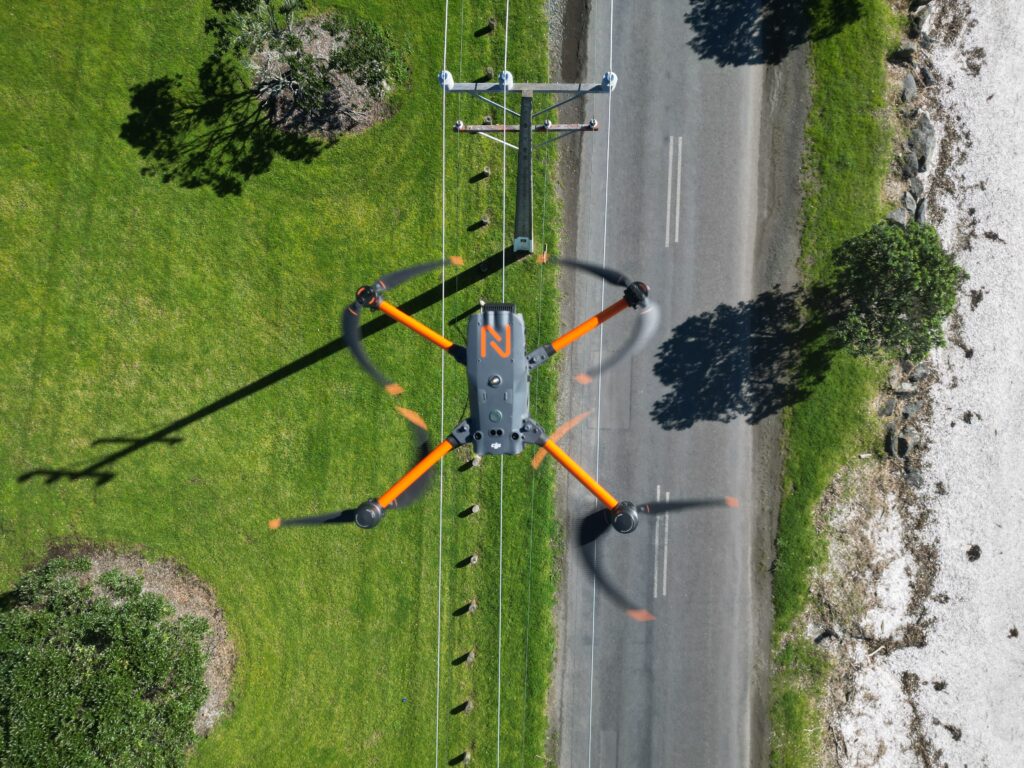
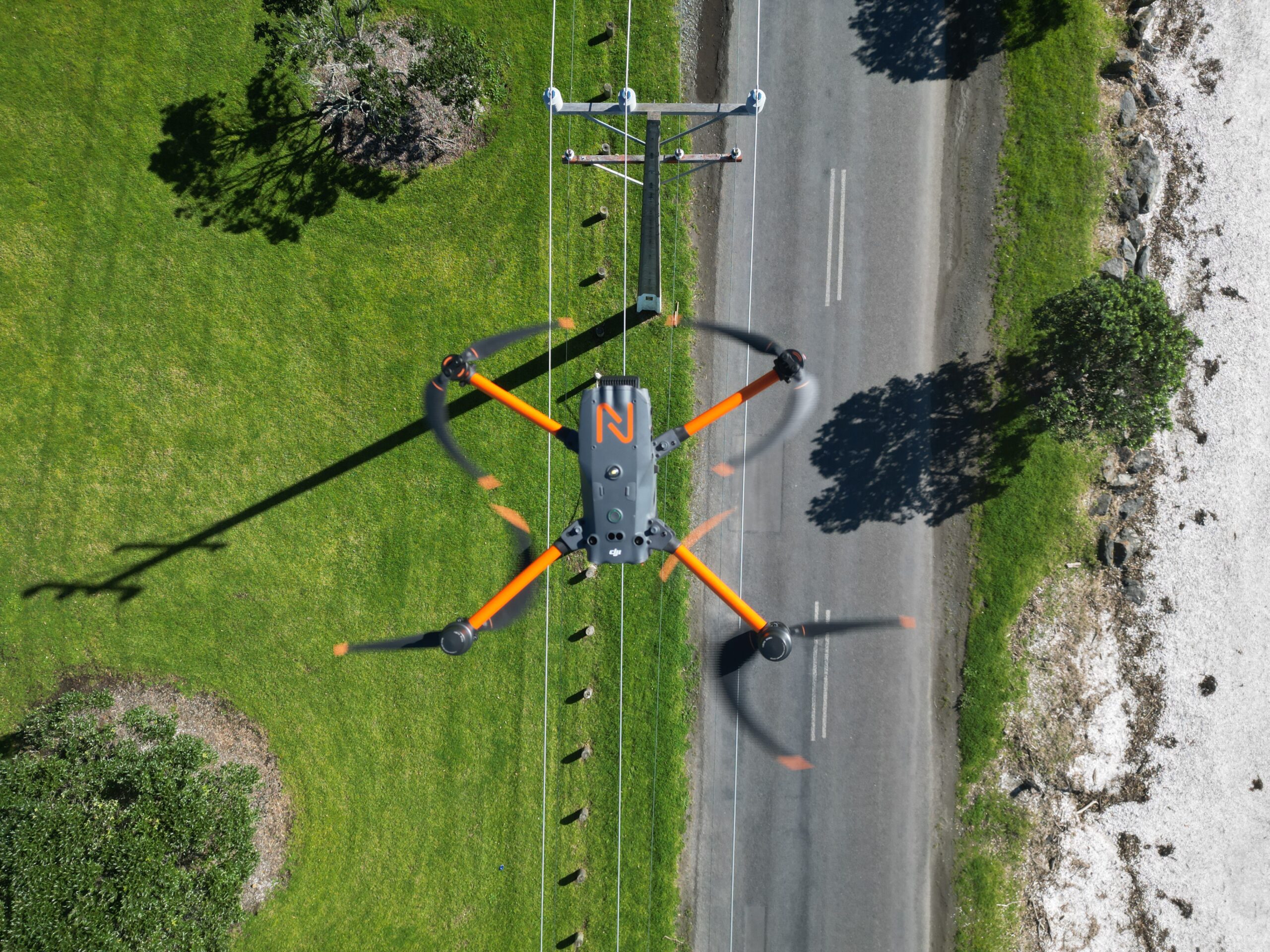
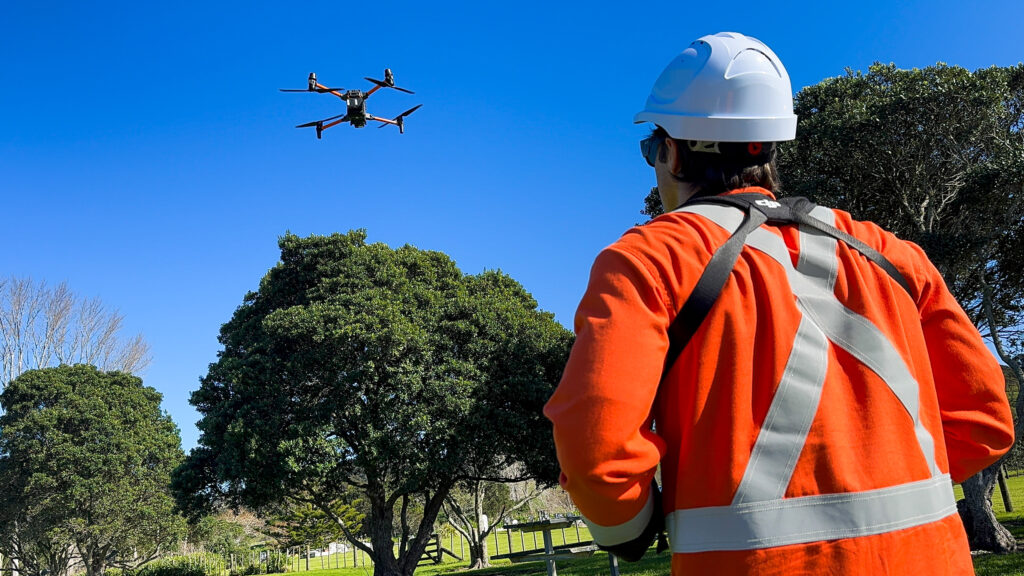
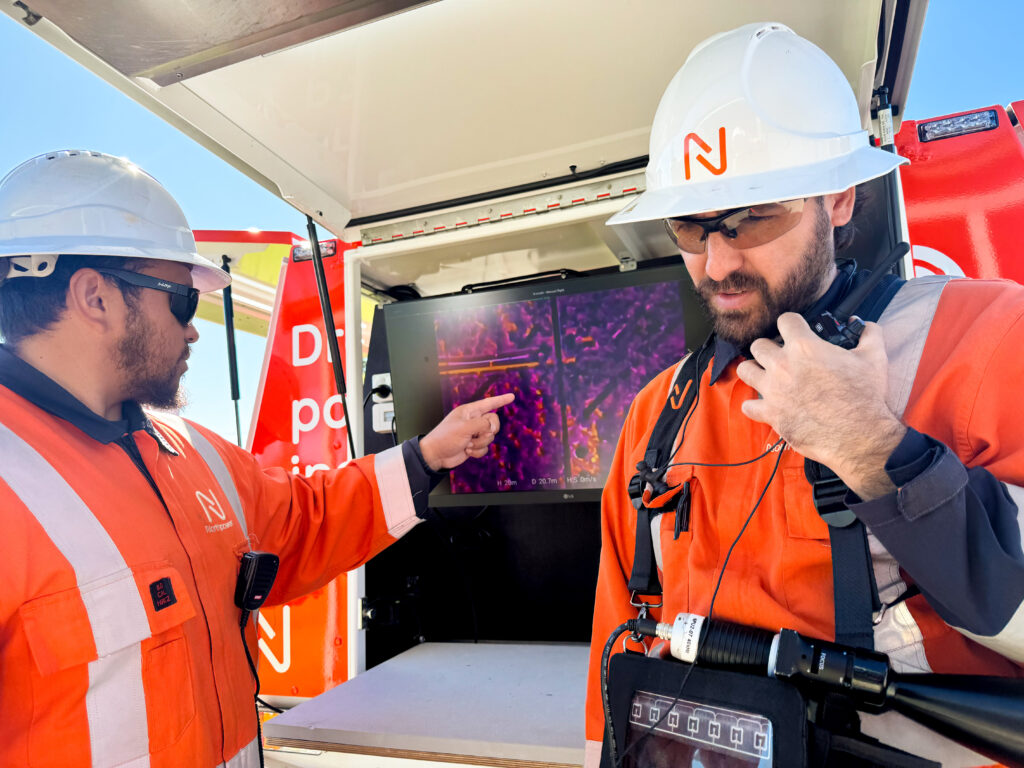
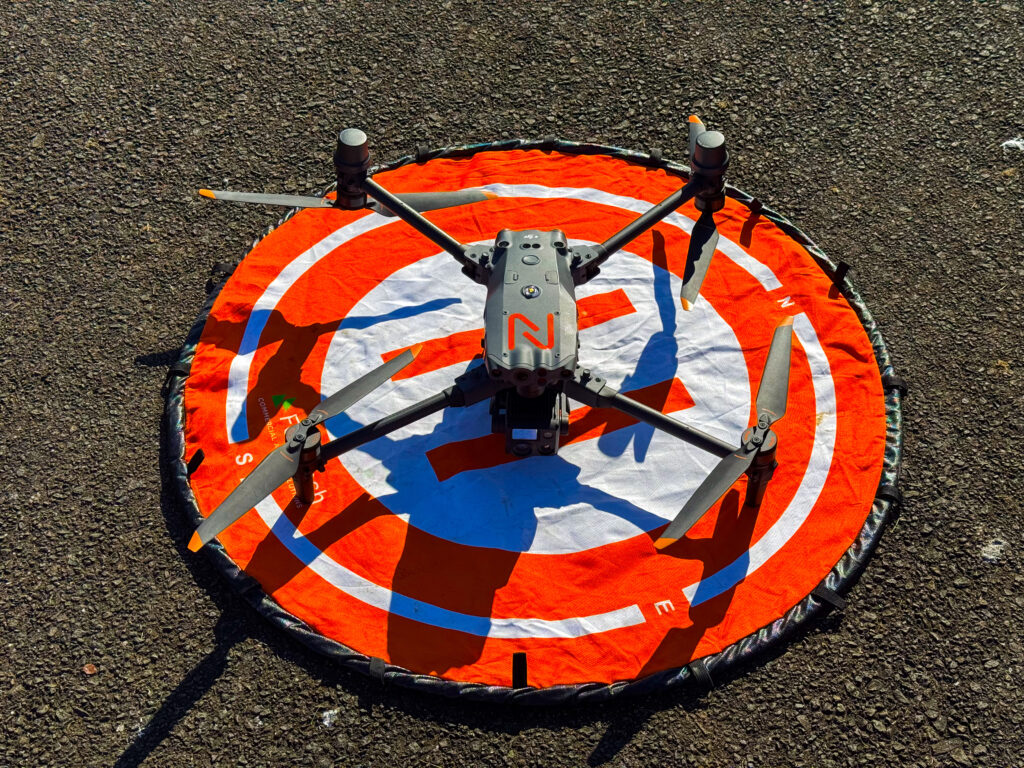
Equipped with high‑resolution photography and thermal imaging, drones capture targeted views of overhead lines, poles and hardware. Then by using software to review the images, we can quickly identify defects and emerging risks for prompt action. These more efficient inspections allow resources to be prioritised and directed to the most critical remediations.
What we found (and fixed)
Recent drone patrols across the Whangārei area uncovered multiple defects, some that were critical and escalated immediately to reactive field teams.
1) Structural failures in crossarms
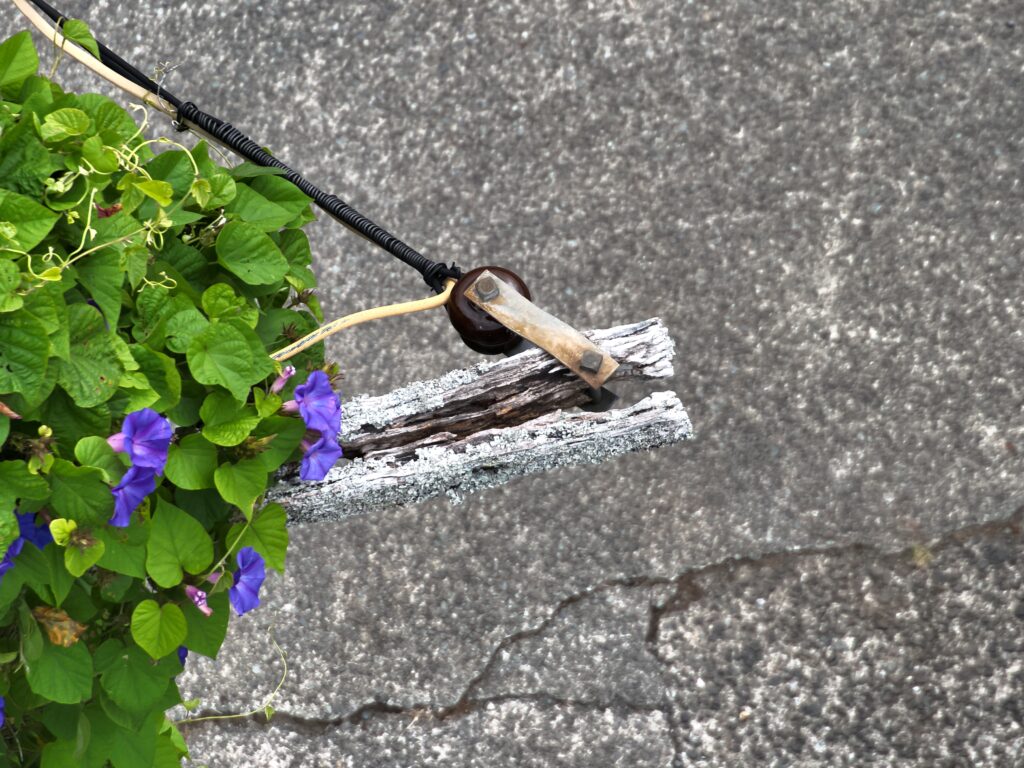
Drone imagery surfaced severely deteriorated or broken low‑voltage (LV) crossarms, including:
- Rotten LV crossarms with shackle insulators at risk of detachment (Tikipunga).
- Severe rot around king bolts, with fixings coming undone (Tikipunga).
- Broken LV crossarm sections requiring urgent make‑safe (Regent).
2) Thermal hotspots and overheating connections
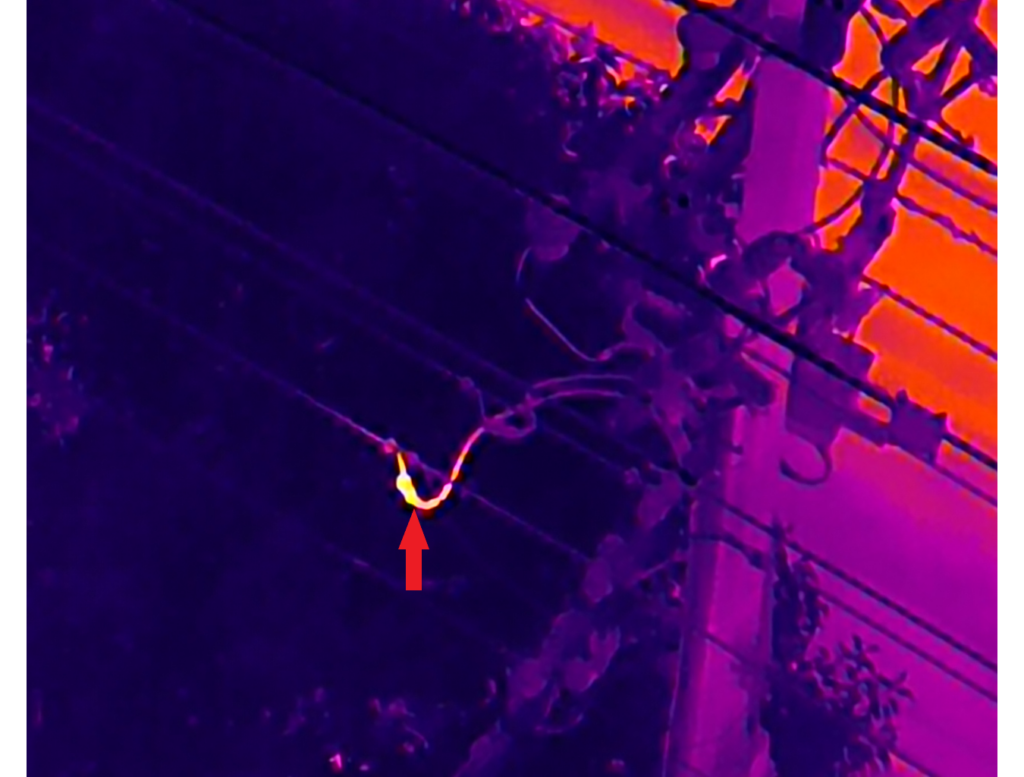
Thermal cameras identified abnormal heat signatures. These are strong indicators of loose connections, corrosion, or impending failure:
- Fuse connection running significantly hotter than adjacent components (Kiripaka).
- LV connection point with a marked temperature differential versus similar assets (Te Kamo).
- Critical thermal defect on an EDO fuse, far above ambient (Te Kamo).
3) Clearance and compliance risks
The inspectors conducted clearance checks to make sure our lines are at a safe height and found a non‑compliant low voltage conductor ground clearance in Kensington, prompting immediate action to protect public safety.
From detection to action
Defects are assessed, and all critical defects are immediately sent to our reactive services team to dispatch field crews to rectify it, ensuring prioritisation and swift remediation.
This streamlined loop from capture, to classification, to field crew remediation, supports Northpower’s commitment to minimising outages, improving safety, and maintaining network resilience.
Results that matter to communities
Drone inspections on our network result in earlier and more consistent detection of crossarm failures, hot joints, and low clearances. It helps us proactively plan and prioritise remediation using reliable, auditable data, ensuring our network is safer, outage risk is reduced, and network reliability is strengthened.
These inspections also allow us to build a richer picture of network conditions using aerial photography, thermal analysis, and structured reporting.
What’s next
As Northpower continues expanding aerial inspections, we’ll keep focusing on earlier detection, faster response, and safer operations, so that customers across Northland experience a safe, reliable electricity supply.
Explore what aerial inspections mean for your area and how we safeguard privacy on our Drone Inspections page.
Read more Northpower case studies
New high voltage line to Mangawhai