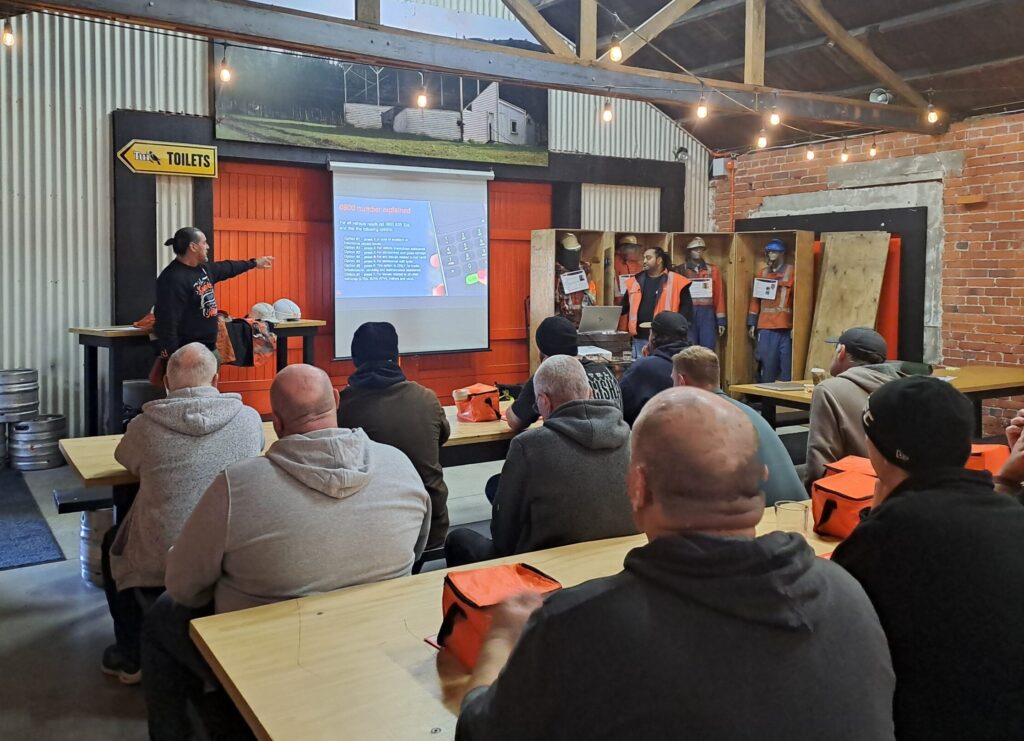
Welcoming new team members to deliver for Powerco
Securing the Powerco contract, Northpower strengthened workforce capability through large‑scale recruitment and onboarding to support regional service delivery.


Annual Report 2026
27 May 2026
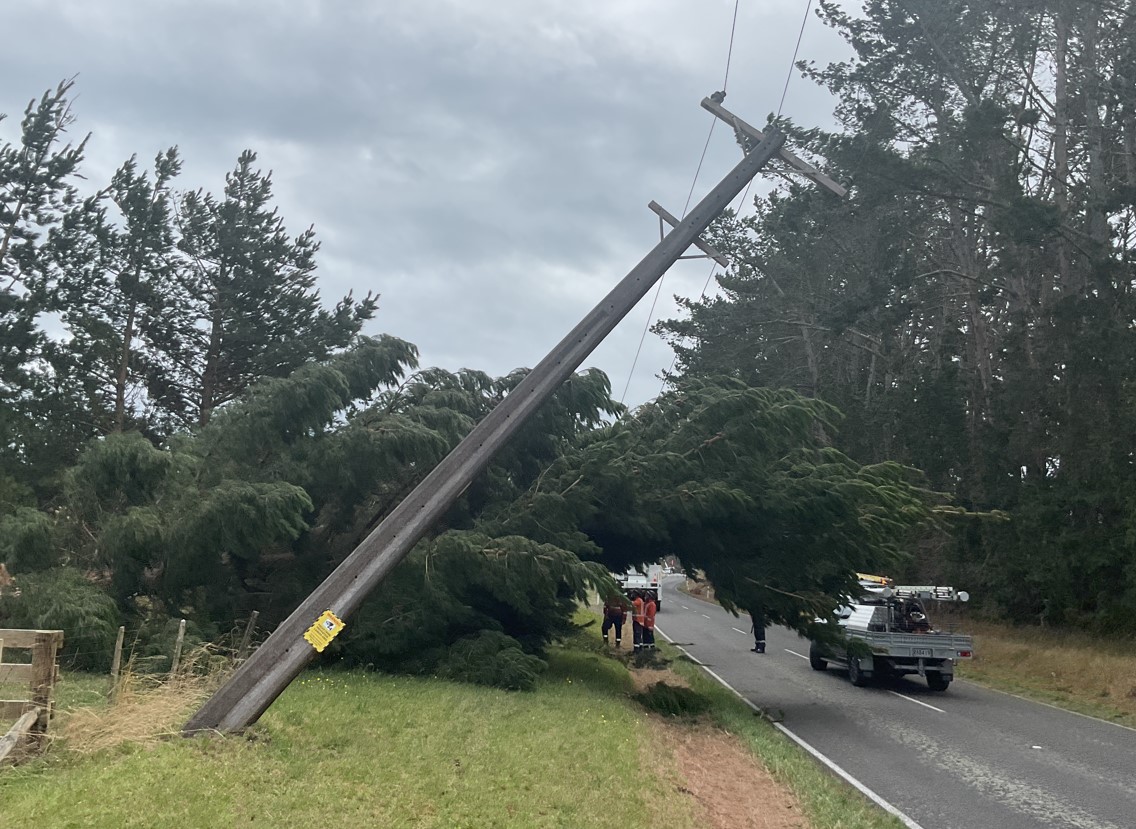
Extreme weather tested electricity networks across the lower North Island in October, and again in February.
For our communities, these events brought widespread disruption. For Powerco and our response teams, these storms reinforced the importance of preparation, collaboration and the commitment of our people.
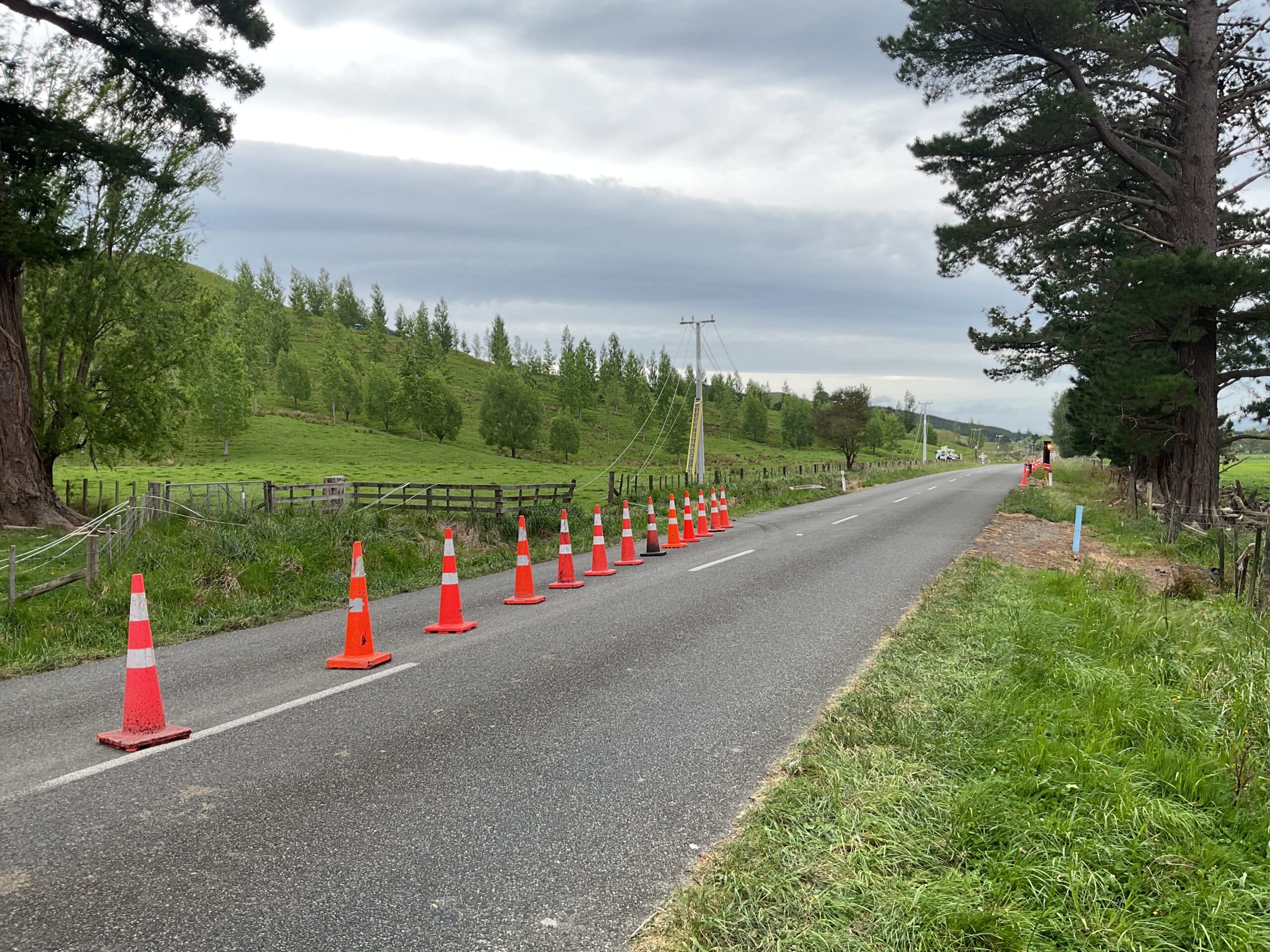
In October, powerful storms swept through Wairarapa and Tararua, with wind gusts exceeding 140km/h. The impact was immediate. More than 10,000 properties lost power as extensive damage occurred across the network.
For our newly established Central Southwest team, it was a significant early test. A second weather front followed within days, compounding the challenge and placing sustained pressure on restoration efforts.
We responded by bringing together local crews, contractors and support from across our wider organisation. Teams worked side by side from the Masterton depot, co-ordinating repairs, managing safety risks and restoring supply as quickly as conditions allowed.
The October response demonstrated the strength of regional collaboration and the value of investing in capable, connected teams. Despite difficult conditions, power was restored safely and efficiently, minimising disruption for customers and communities.
In February, an even larger storm system impacted Whanganui, Rangitīkei, Manawatū, Tararua and Wairarapa. Gale force winds, heavy rain and falling trees caused extensive damage to electricity infrastructure, leaving more than 25,000 properties without power at the height of the event.
We rapidly mobilised skilled crews to support the response, working alongside other network companies and contractors. Across the region, field teams faced flooding, road closures and difficult terrain, particularly in remote rural areas where access was severely restricted.
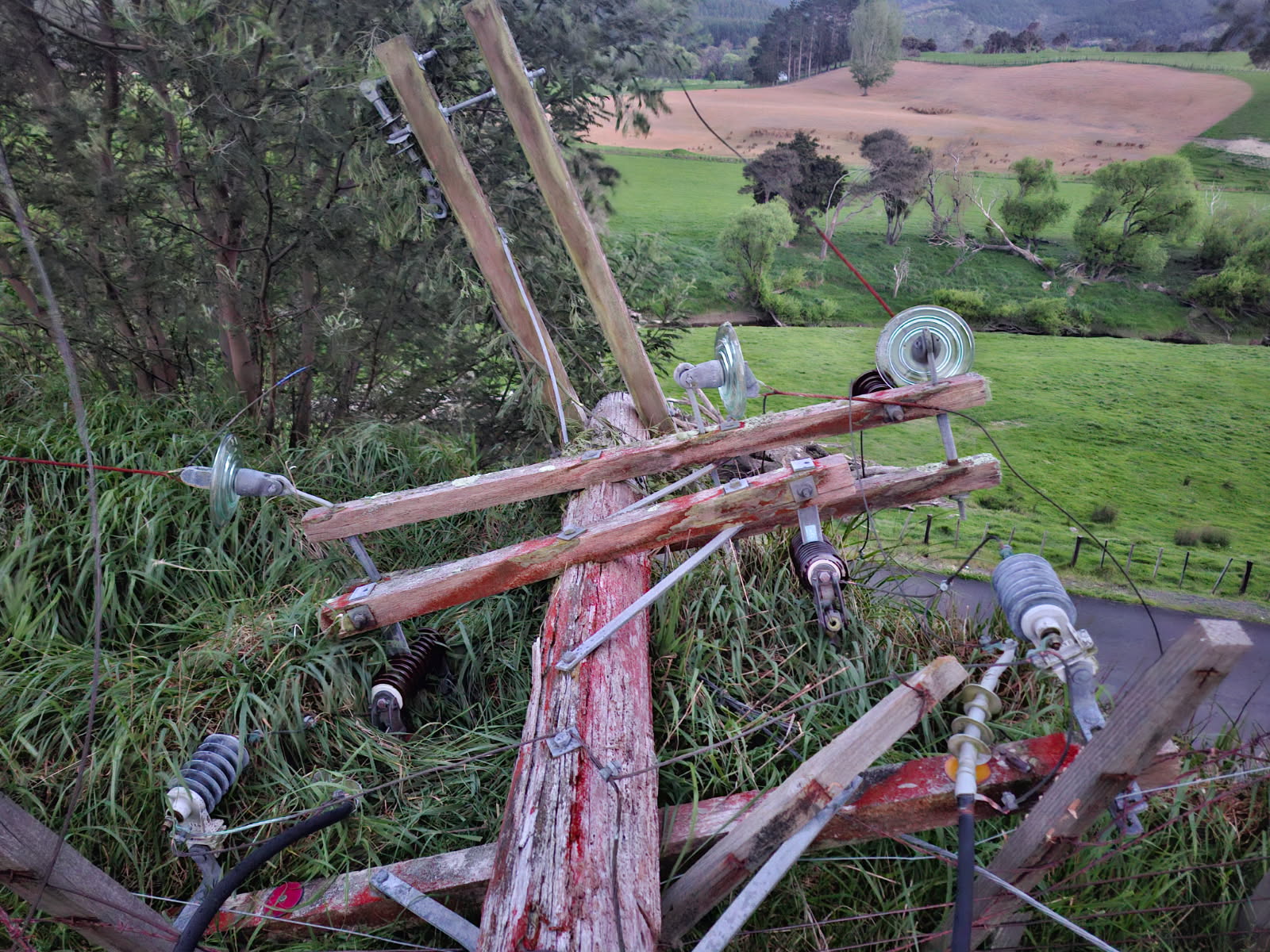
Helicopter surveys were used to assess damage and support repairs in hard to reach locations. Crews rebuilt damaged sections of the network, restrung lines and replaced poles, often working long hours in challenging conditions to reconnect communities as quickly and safely as possible.
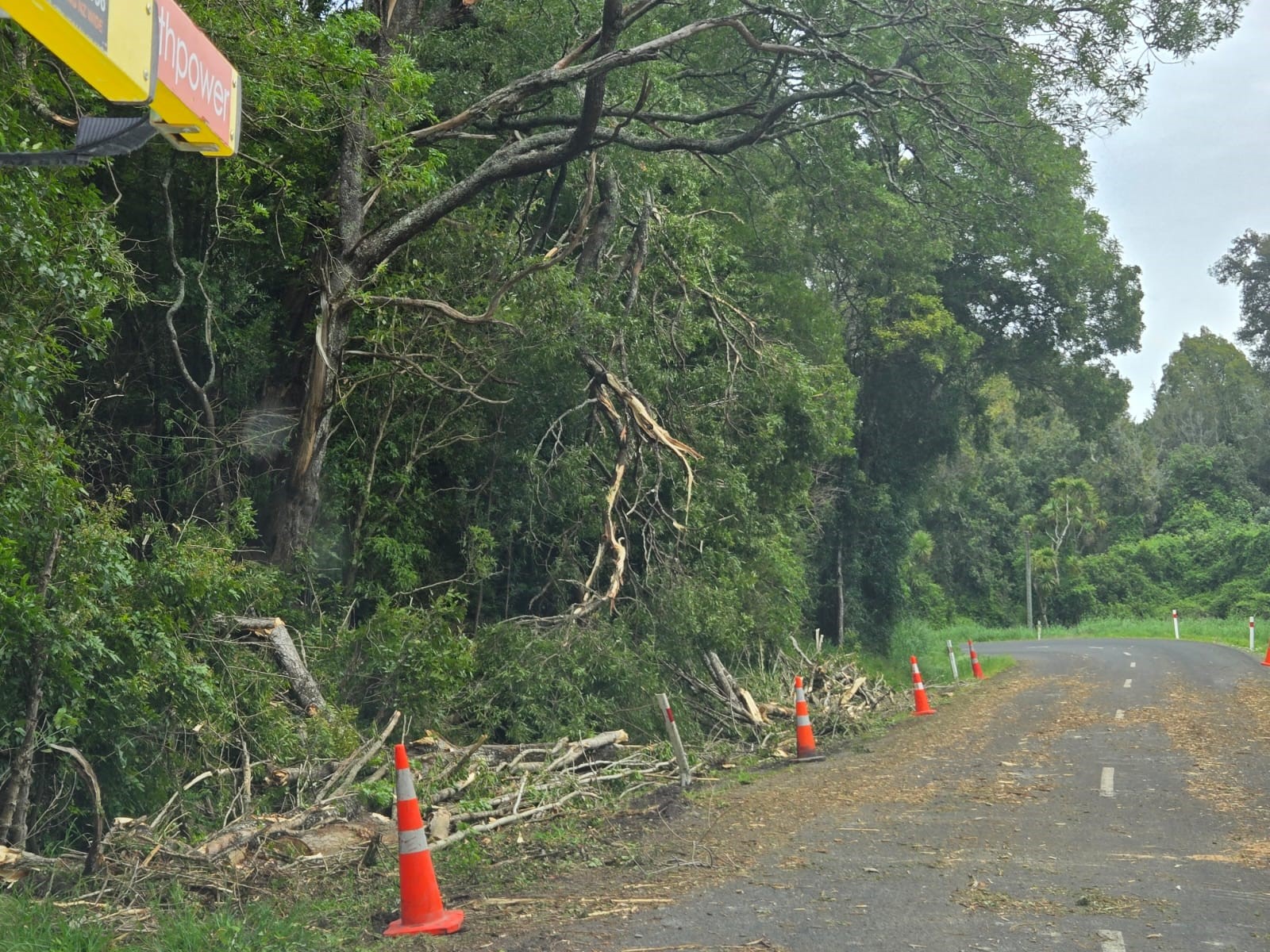
In September, a wind-driven storm caused widespread damage across Tauranga and the wider Bay of Plenty, including the Kaimai Valley and Coromandel. Powerful gusts, reaching up to 100km/h, brought down trees and power lines across the network resulting in significant disruption for communities. At the height of the event in the early hours of Sunday morning, more than 15,000 properties in the Tauranga region were without power, with more than 23,500 people affected over the course of the storm.
For our Tauranga teams, this was the first major weather event under the new faults response contract. In the days leading to the weekend, our teams closely monitored weather forecasts and worked with Powerco to pre-position additional resources. Extra first response and restoration crews were rostered ahead of time, with further teams mobilised as conditions worsened. Support was rapidly co-ordinated across the business, including crews from Hamilton and New Plymouth, ensuring capability could scale as needed.
Crews worked through challenging conditions across several days, progressing repairs, managing clean up, and restoring supply with care and efficiency. By Sunday evening, outages were reduced to approximately 5,000, and power was fully restored by mid-week, with crews from other regions heading home Thursday the next week.
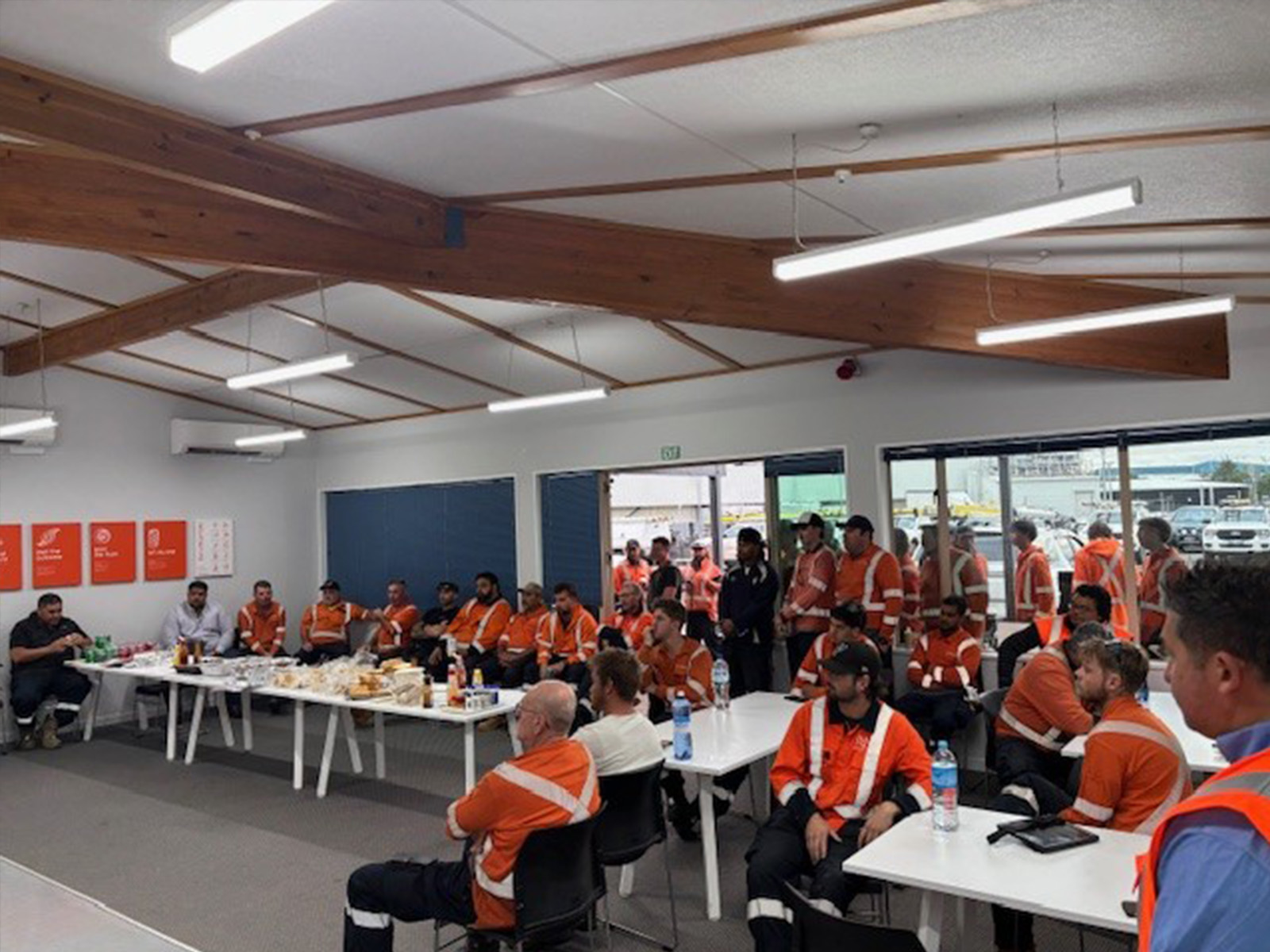
The responses to the storms highlighted the value of strong industry partnerships. Our people worked as part of a co-ordinated national effort involving hundreds of field staff from multiple organisations, sharing resources, skills and local knowledge.
This collaboration accelerated restoration, supported community welfare efforts in isolated areas, and ensured temporary repairs were replaced with durable solutions. It also reinforced the importance of sector wide co-operation in responding to increasingly severe weather events.
Across all three events, our teams demonstrated a strong sense of responsibility to the communities they serve. From field crews operating in adverse conditions to office staff co-ordinating logistics, safety and communications, every role contributed to the response.
These storm events highlighted the importance of being prepared, acting together, and delivering under pressure. As extreme weather becomes more frequent, we continue to strengthen our networks and our response capability to support reliable electricity supply for our communities.
Securing the Powerco contract, Northpower strengthened workforce capability through large‑scale recruitment and onboarding to support regional service delivery.
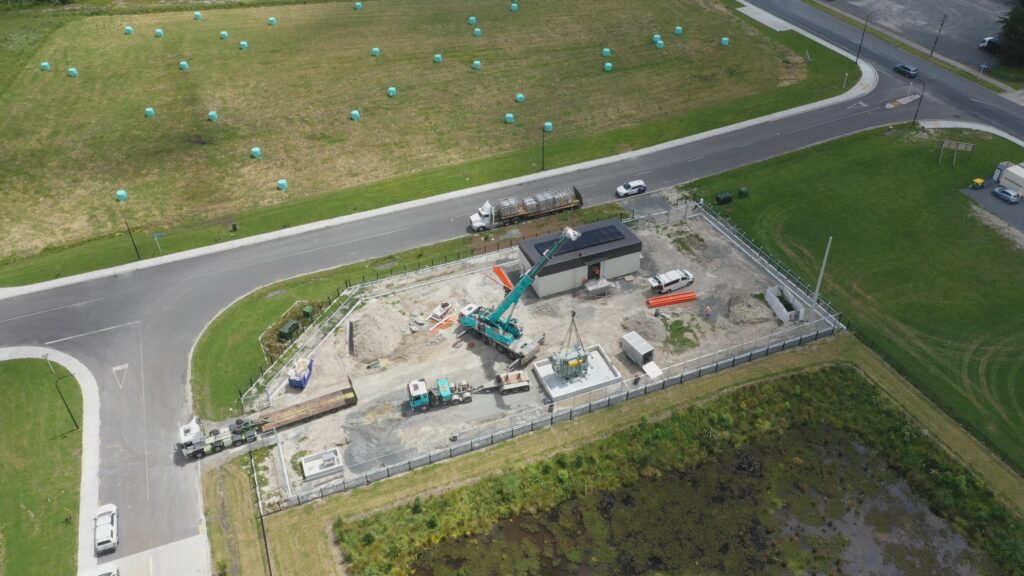
In partnership with Powerco, Northpower installed 33kV underground infrastructure and a new substation in Morrinsville to support future electrical growth.
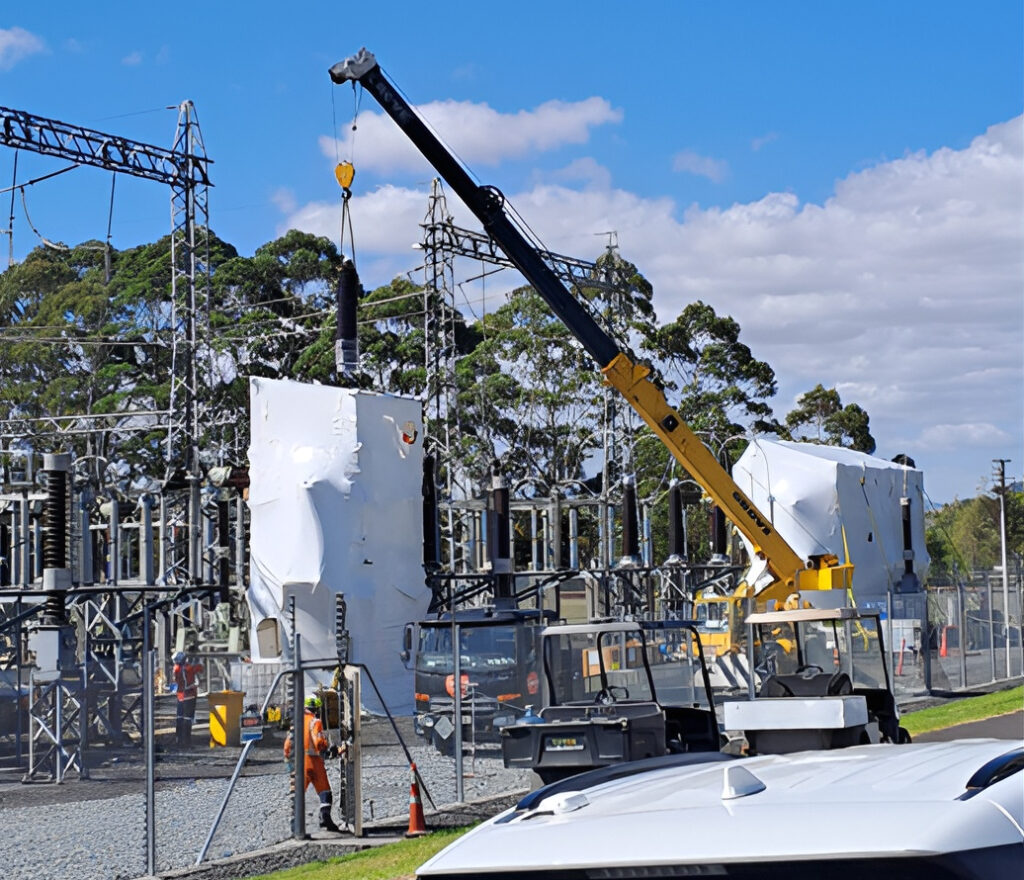
Working with Genesis Energy and Transpower, Northpower provided specialist capability to repair critical 220kV termination infrastructure, restoring service and maintaining system stability.
