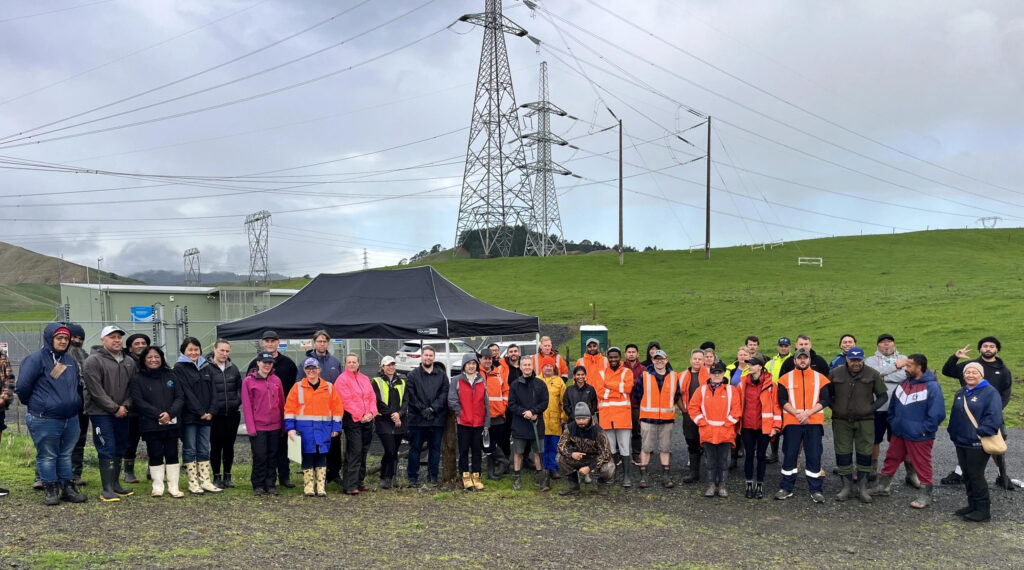
Wetland regeneration at Ōhinewai
Together with Transpower, Restore Native and local hapu, Northpower joined a wetland restoration day at Lake Waikare.


Annual Report 2026
28 May 2026
Northpower prioritises its sustainability journey to reduce our impact on the environment and protect future generations.
While waste makes up a smaller share of our overall emissions compared to areas such as fleet fuel use, we are focusing on reducing waste to deliver practical environmental and cost benefits over time.
Over the past year, we have taken deliberate steps to strengthen how we manage waste across our depots and projects – recognising that consistent data, infrastructure and behaviours need to be in place to support long term reductions.
Across our depots and major projects, providing co-mingled recycling is standard process, whilst we have continued to expand the use of dedicated recycling streams. In practice, this means separating materials such as wood, metal and plastics at source wherever possible, making it easier for these materials to be recovered rather than sent to landfill.
We’re proud to be recycling our PPE. In the three months from January to March 2026, we diverted 150.1kg of textiles from landfill. This has prevented 525 tonnes of carbon dioxide equivalent of greenhouse gases associated to PPE disposal from polluting our atmosphere.
During the year, new recycling initiatives were introduced in several areas of the business. These included food waste recycling at depots where suitable services are available, as well as expanded recycling options for materials traditionally sent to landfill through construction activity.
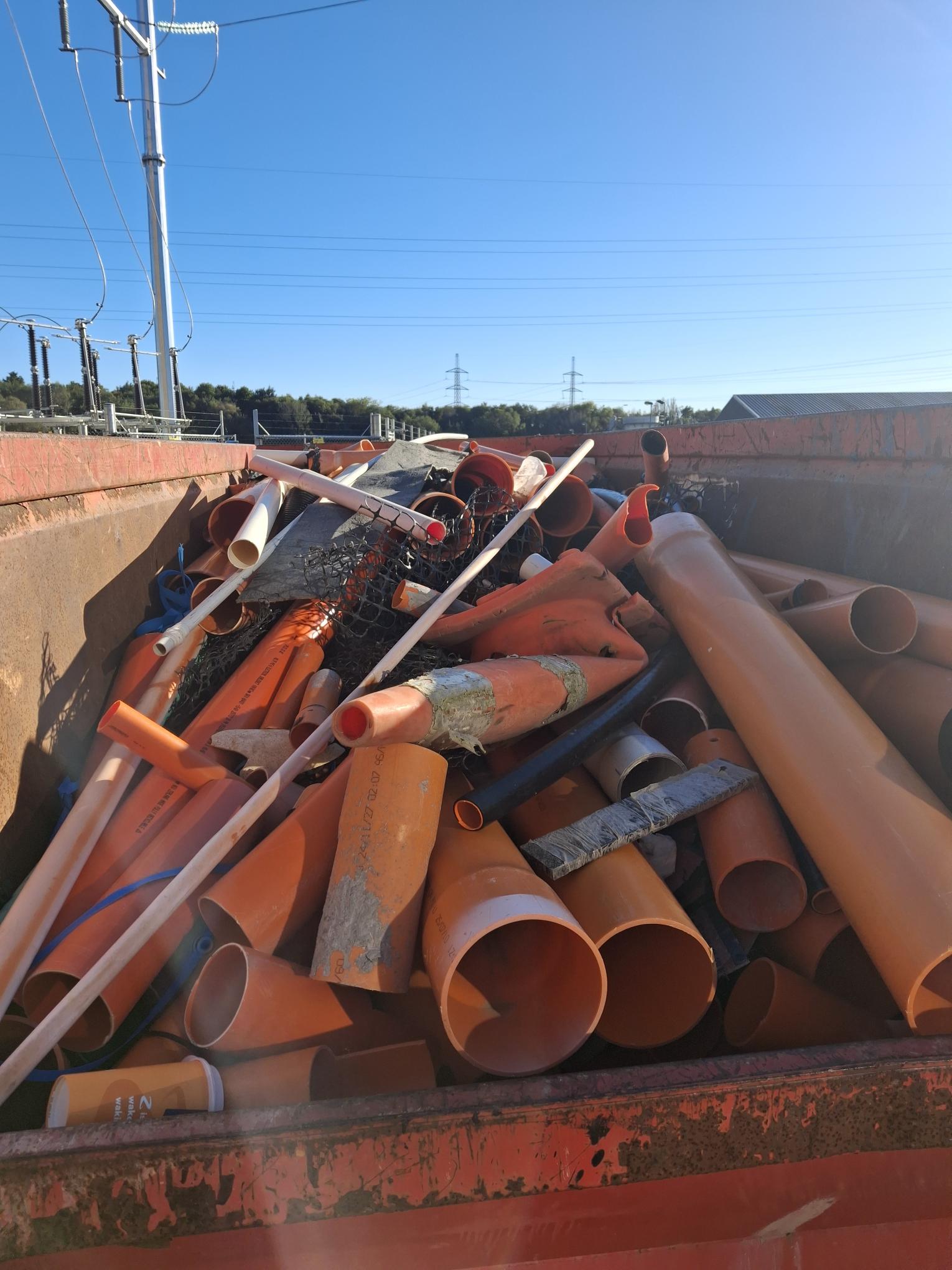
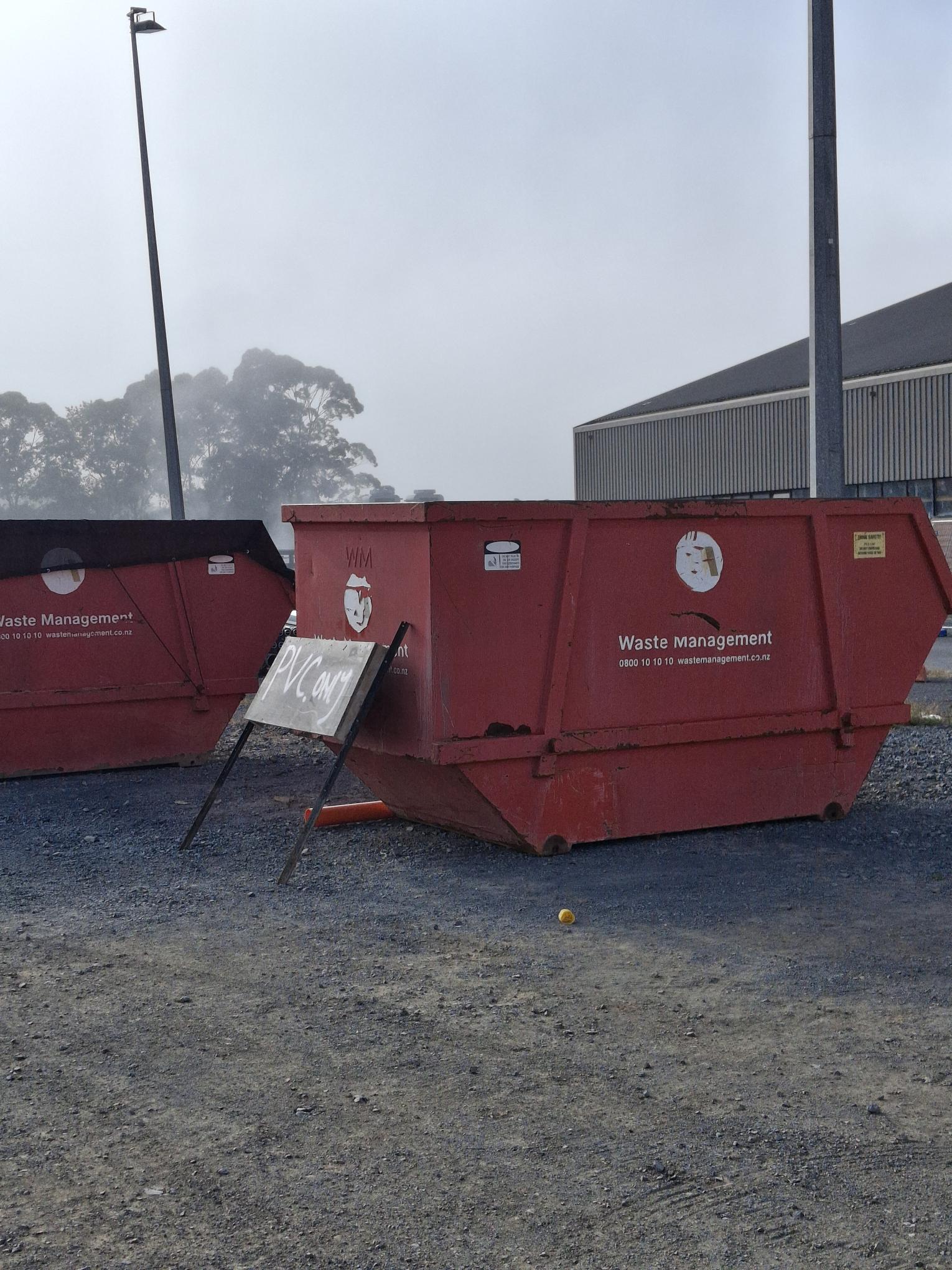
In Auckland, a dedicated polyvinyl chloride (PVC) recycling stream was rolled out, with plans to extend this approach to other depots over time. This initiative reflects a broader shift towards identifying and recovering materials with high reuse potential.
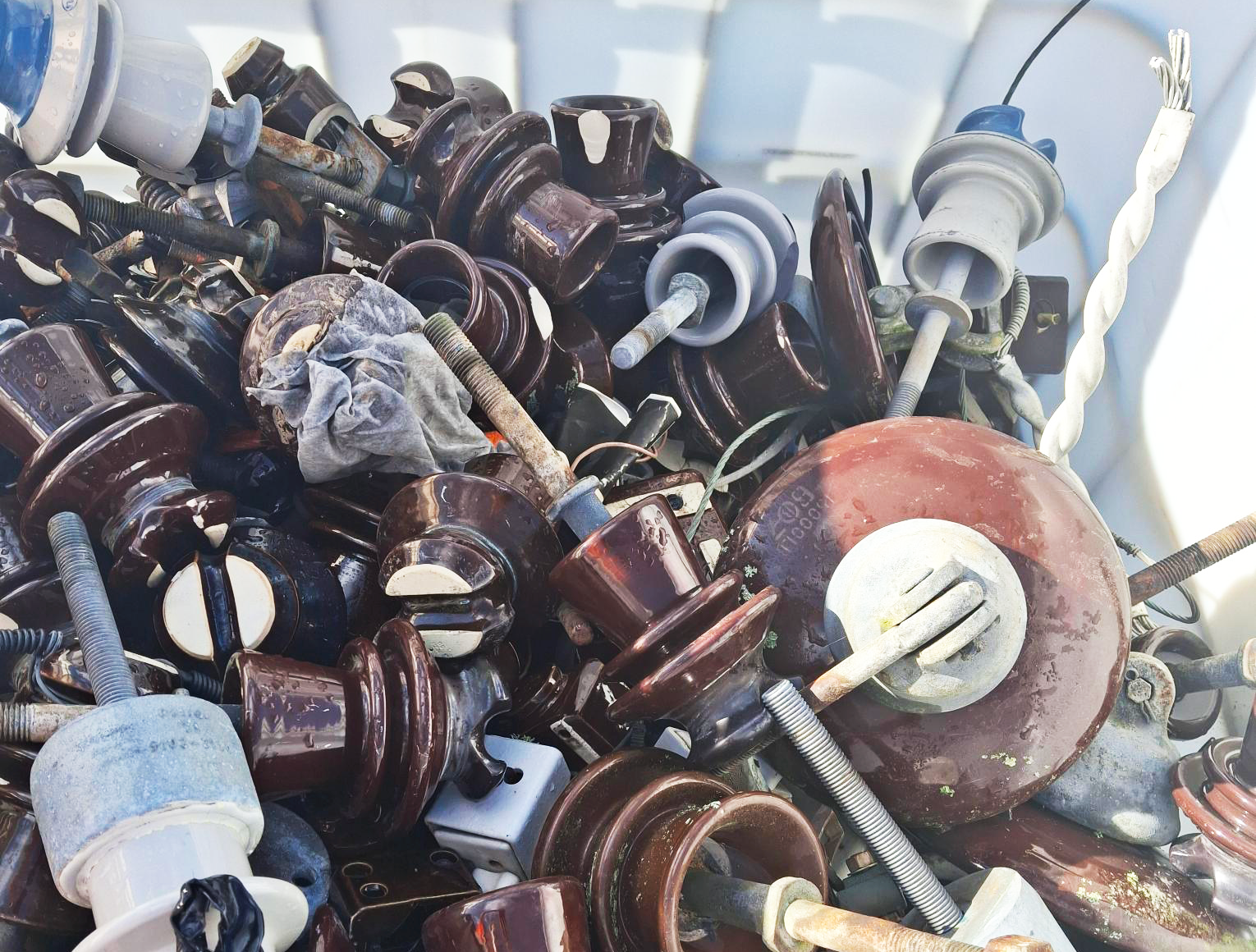
In Whangārei, Northpower started a trial to recycle porcelain. From September 2025 to March 2026, we have diverted 9,150kgs from landfill. To our knowledge, Northpower is the first in the electrical industry to recycle porcelain, a traditionally challenging product to separate from the metal and hardwood joinery. Our goal is to replicate the success of the porcelain trial in Whangārei throughout our regions.
Through supplier engagement, the last quarter displayed that sustainability is achieved when we work together. Ad-hoc recycling contributions of expired cleaning supplies, and cable cover were recycled through supplier partnerships, diverting a combined 4.016 tonnes of surplus waste from landfill.
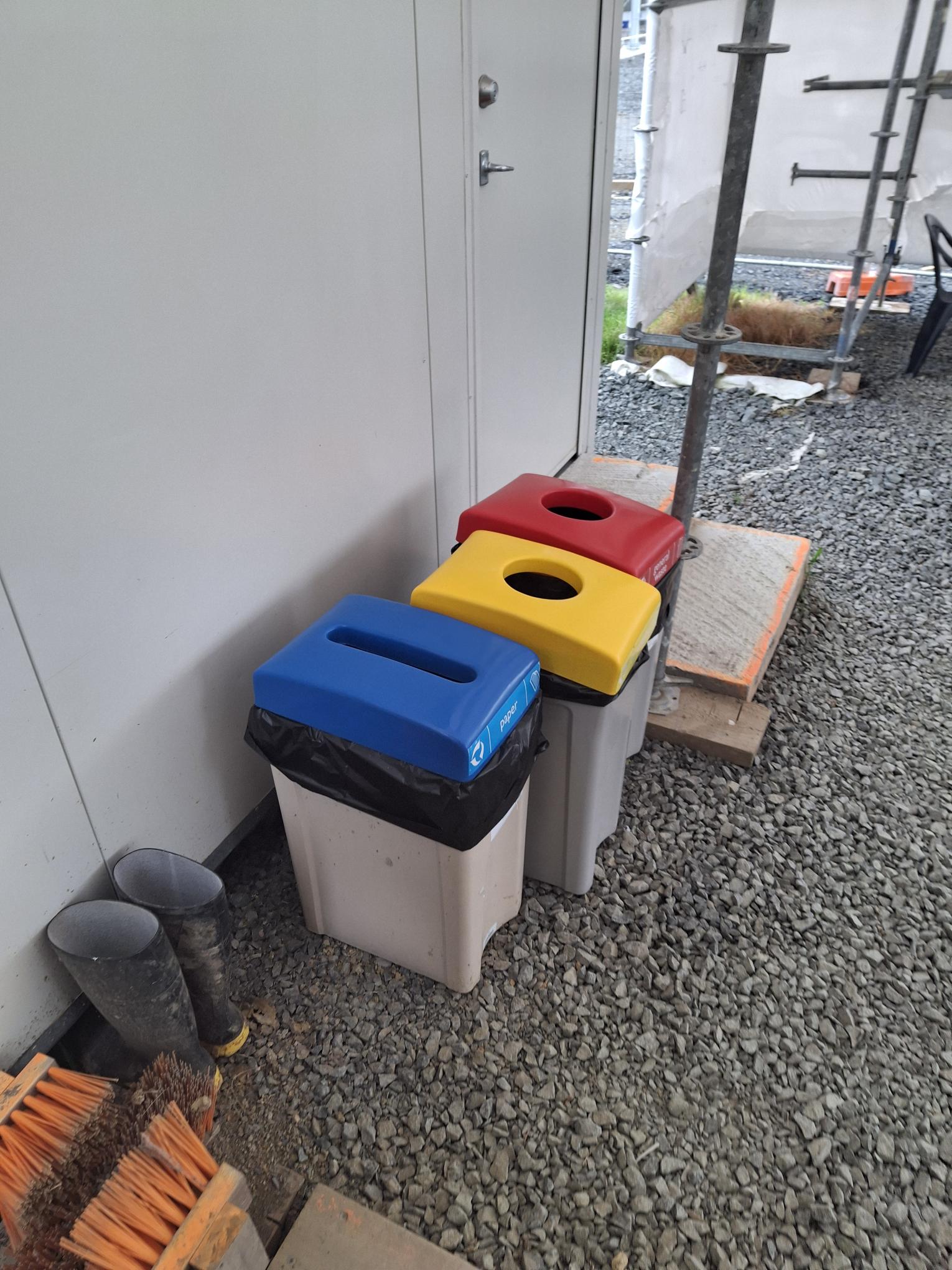
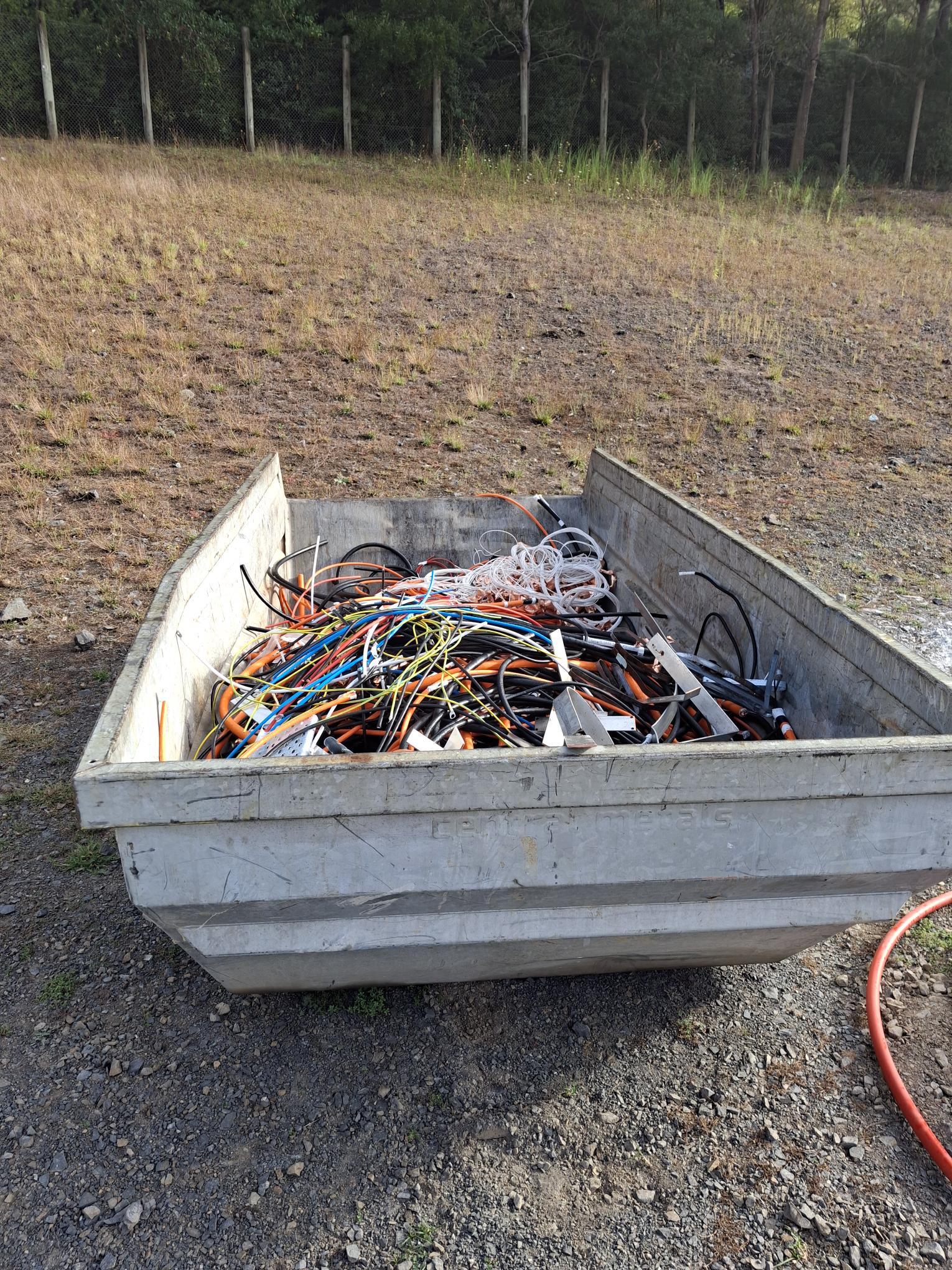
Some of our largest gains in waste diversion continue to come through project specific initiatives. On major infrastructure projects, our teams plan waste recovery during the design and construction phases rather than treating it as an afterthought.
Recent projects have demonstrated what is possible when recycling is built into delivery plans, including the large scale recovery of materials such as concrete, metals and cable products that would otherwise have gone to landfill.
For example, with Meridian Energy’s 100MW Battery Energy Storage System (BESS), they set an 80% waste diversion goal for all contractors involved in the project. This led to Northpower achieving a 97% reduction on waste and a 32% reduction across all emissions, including the introduction of bentonite clay recycling. While organic recycling at this scale was new to Northpower, 38,000kgs of bentonite sludge was dried and reused locally, diverting a large volume of organic waste from entering landfill.
Over the last financial year, our innovation continued with the introduction of concrete recycling across the BHL-PAK B Project, a construction partnership between Northpower and Transpower to upgrade 220kV cables across Auckland. To replace the cables, first access was required which involved breaking through concrete bunkers that encased the cables. Again, this initiative was new to the business and we are proud that at project completion, Northpower diverted over 869 tonnes of concrete from landfill.
Reliable waste data is essential to measuring progress. Over the past year and into the current year, we continued to improve how waste and recycling information is captured and consolidated.
Improving coverage and comparability remains a priority as our sustainability reporting continues to mature.
As we continue our sustainability journey, we are focused on laying strong foundations — investing in systems, internal coaching, supplier engagement and on the ground practices that will support sustained improvement over time.
Together with Transpower, Restore Native and local hapu, Northpower joined a wetland restoration day at Lake Waikare.
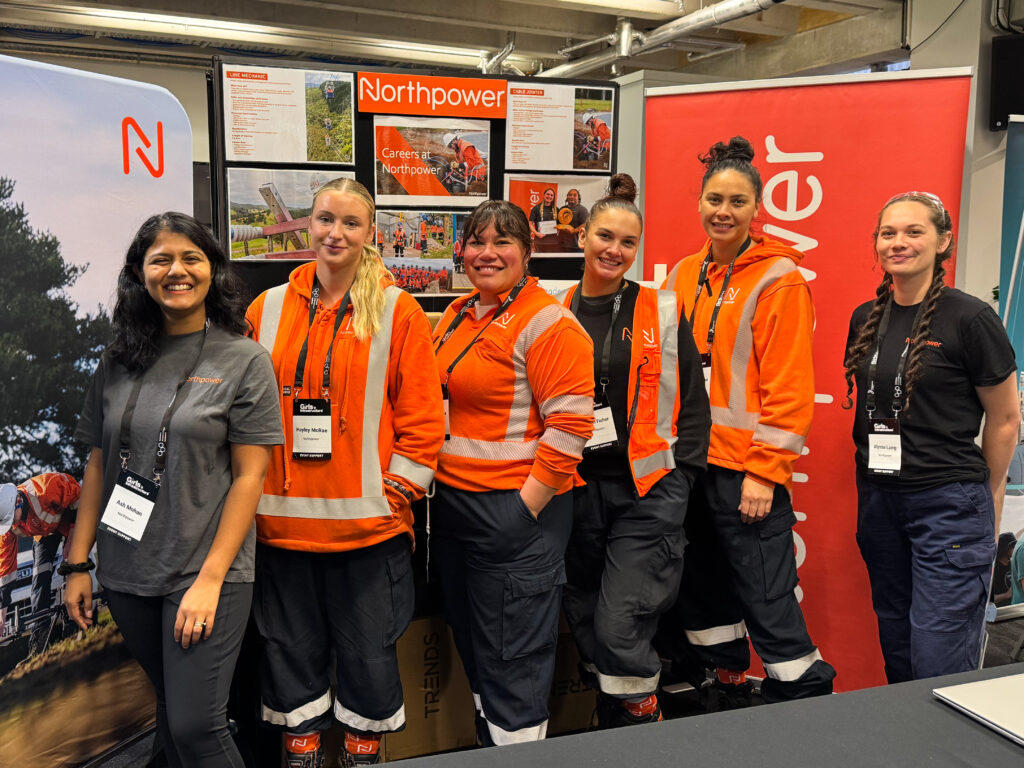
Supporting Girls in Infrastructure, Northpower promoted career pathways and built industry capability by engaging young women in hands‑on learning experiences.
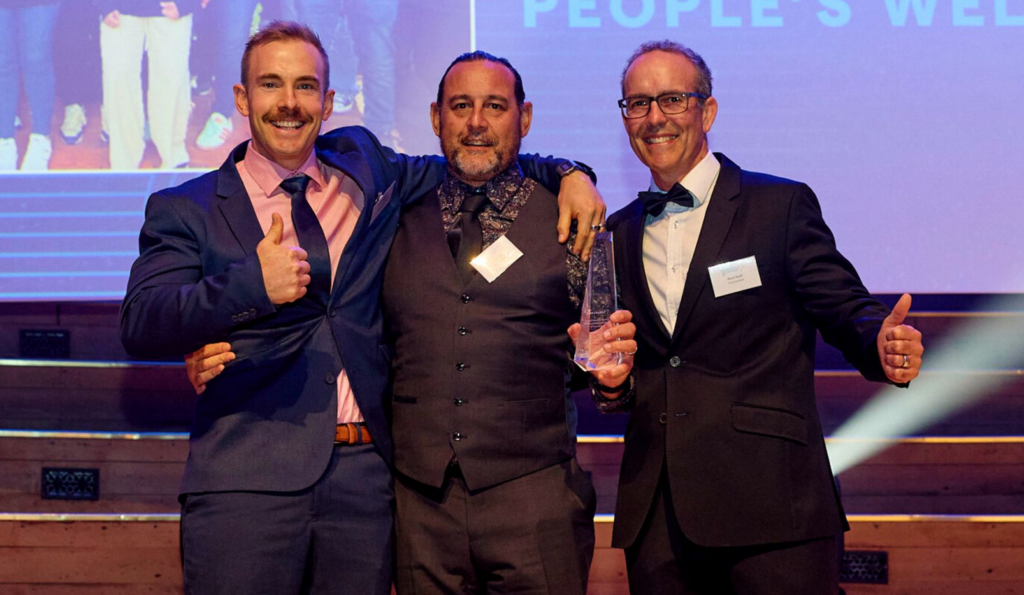
Receiving national recognition, Northpower was recognised for wellbeing and safety excellence, reflecting strong teamwork, collaboration and a people‑first culture.
