Electrifying your home
What else can I electrify at home?
Many Northland homes already use electricity for lighting, fridges, washing machines and everyday appliances. But there are still big parts of household energy that could be converted to electricity rather than relying on fossil fuels, making them more cheaper and efficient to run. This includes space heating, water heating, cooking and transport.
The best place to start is usually with a plan: look at the things in your home that use the most energy, think about what may need replacing soon, and make your next purchase electric where it is practical.
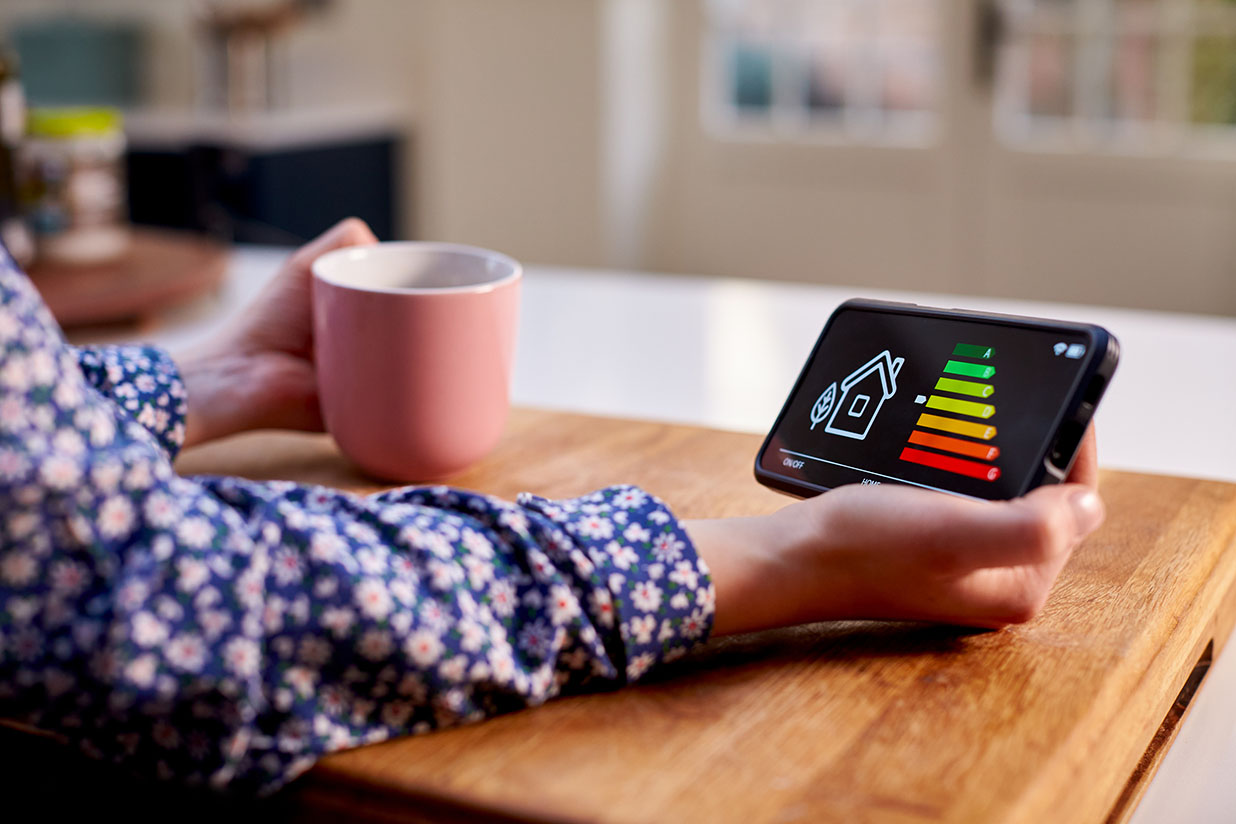
Start with a simple home electrification plan
You do not need to electrify everything at once. A practical approach is to make a list of your major appliances and vehicles, note their age and condition. Then start by looking at the next thing in your home that is likely to need replacing. If your car, water heater, heater, cooktop or roof is due for attention in the next few years, that is a good time to compare electric options and understand the full cost over time, not just the upfront price.
This helps avoid rushed decisions when something breaks, and gives you time to compare options, get quotes and check whether your switchboard, wiring or connection needs any changes. Planning ahead gives you more choice and helps you electrify in a way that works for your home, your budget and the local network.
A good plan may include space heating, water heating, cooking, transport, solar and batteries. The right order will depend on your home, budget, household routines and how much electricity you use at different times of day.
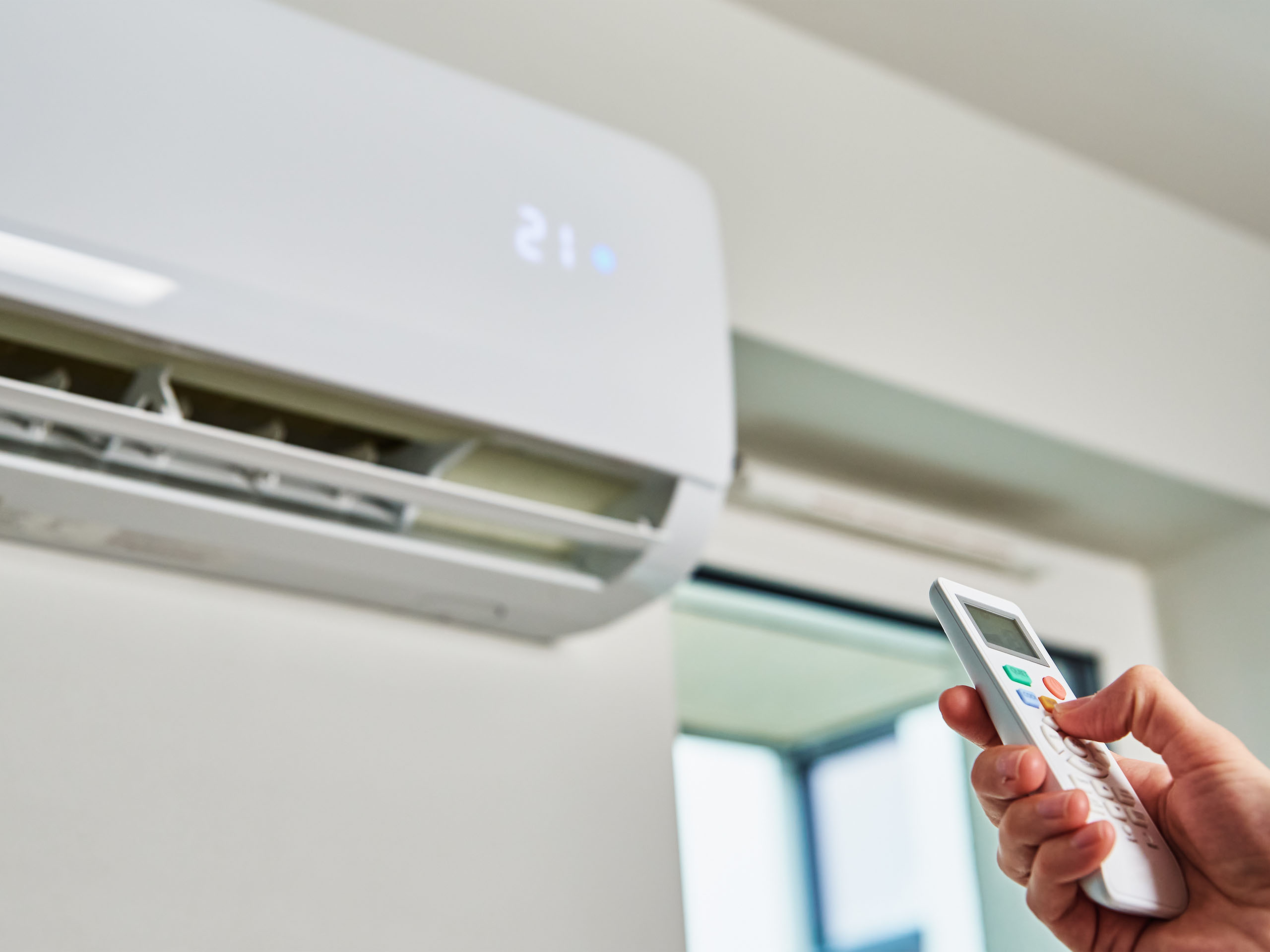
Space heating: heat pumps and efficient electric heating
For many homes, space heating is one of the most useful places to electrify. Modern heat pumps can heat efficiently, cool in summer and give you more control over when and where you use energy. If you currently rely on gas, LPG, diesel or older electric heaters, talk to a qualified installer about the right size and location for a heat pump so it performs well in your home.
Before choosing a system, consider insulation, draughts, room layout and how your household uses heating. Improving warmth and efficiency first can reduce how much energy you need, which may lower running costs and help avoid oversizing equipment.
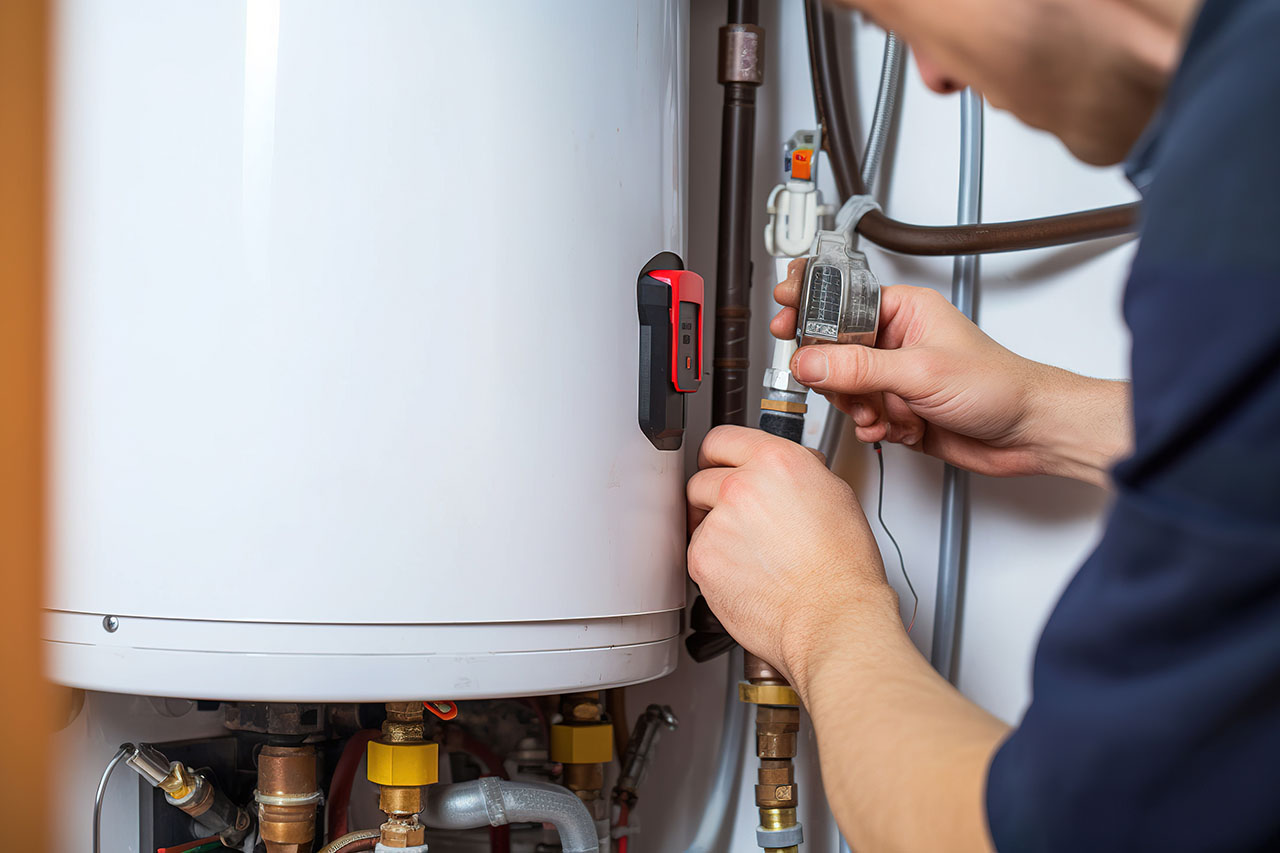
Water heating: heat pump hot water and smart control
Hot water is often one of the largest energy uses in a household, so it is worth thinking about before your cylinder or gas water heater reaches end of life. Electric options include standard electric cylinders and heat pump water heaters, which use electricity more efficiently by moving heat rather than creating it directly.
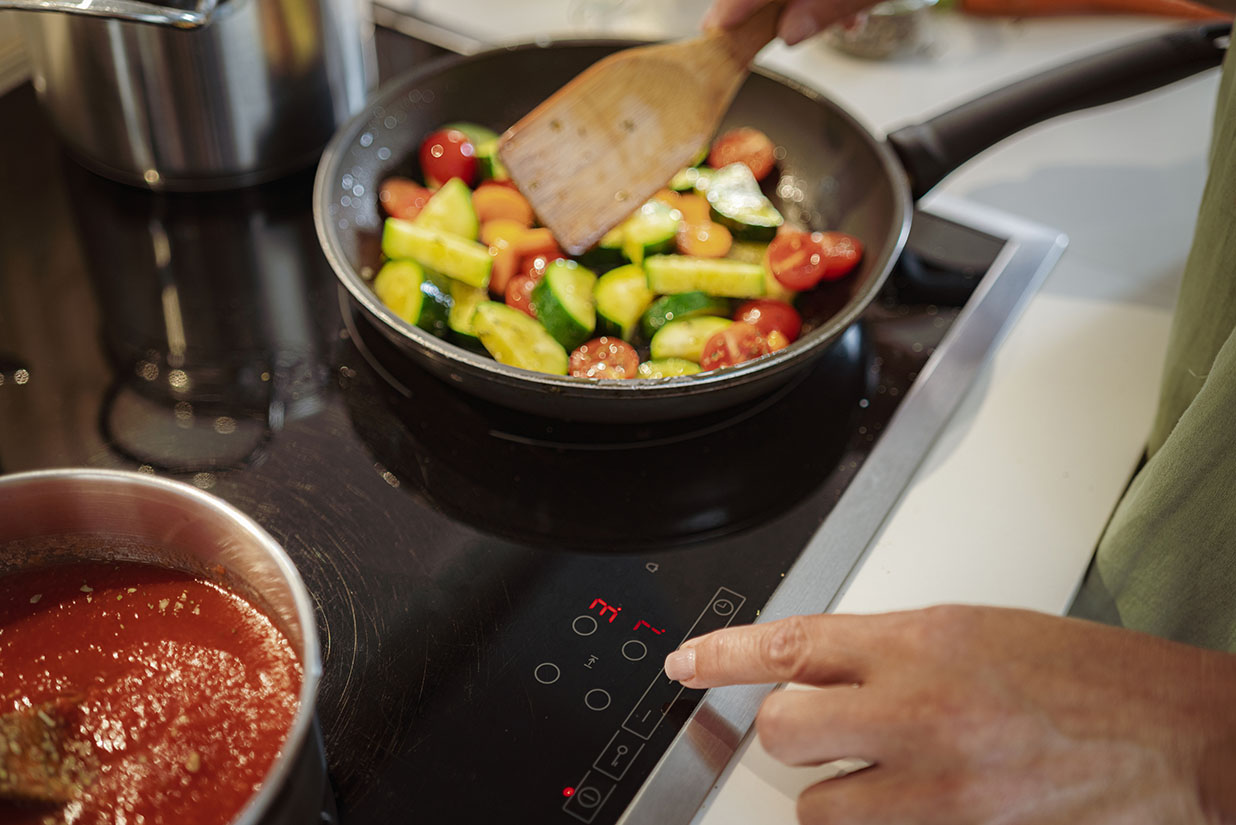
Cooking: induction and other electric options
If you currently cook with gas or LPG, an induction cooktop may be an efficient electric alternative. Induction uses magnetic fields to heat compatible cookware directly, which can make it fast, responsive and easier to control. Electric ovens are already common, and many homes can move to fully electric cooking as part of a kitchen upgrade.
Before switching, check whether your cookware is induction-compatible and whether your switchboard or wiring needs upgrading. A licensed electrician can confirm what is required and whether the work can be combined with other planned electrical upgrades.
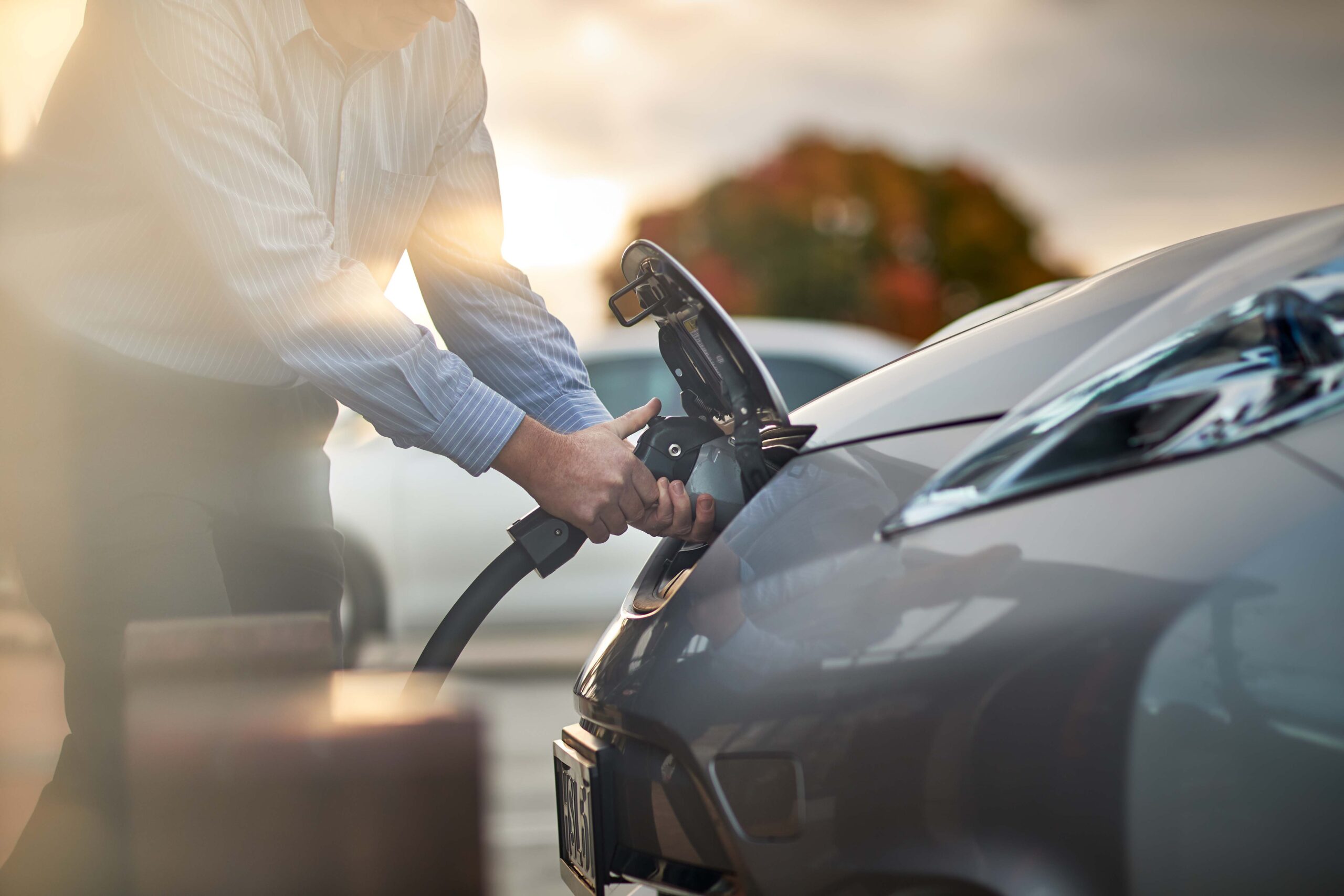
Vehicles: electric cars, bikes and charging at home
Transport is another major opportunity to electrify. Electric vehicles, plug-in hybrids and electric bikes can reduce the amount of petrol or diesel your household uses. For many people, the biggest change is that most charging happens at home, so it is important to think about how and when you will charge.
If you are installing a dedicated EV charger, talk to a qualified electrician about your home’s connection, switchboard capacity and charging speed. Charging overnight or outside peak times can be cheaper and help reduce pressure on the network and may help you make use of retailer plans designed for flexible electricity use.
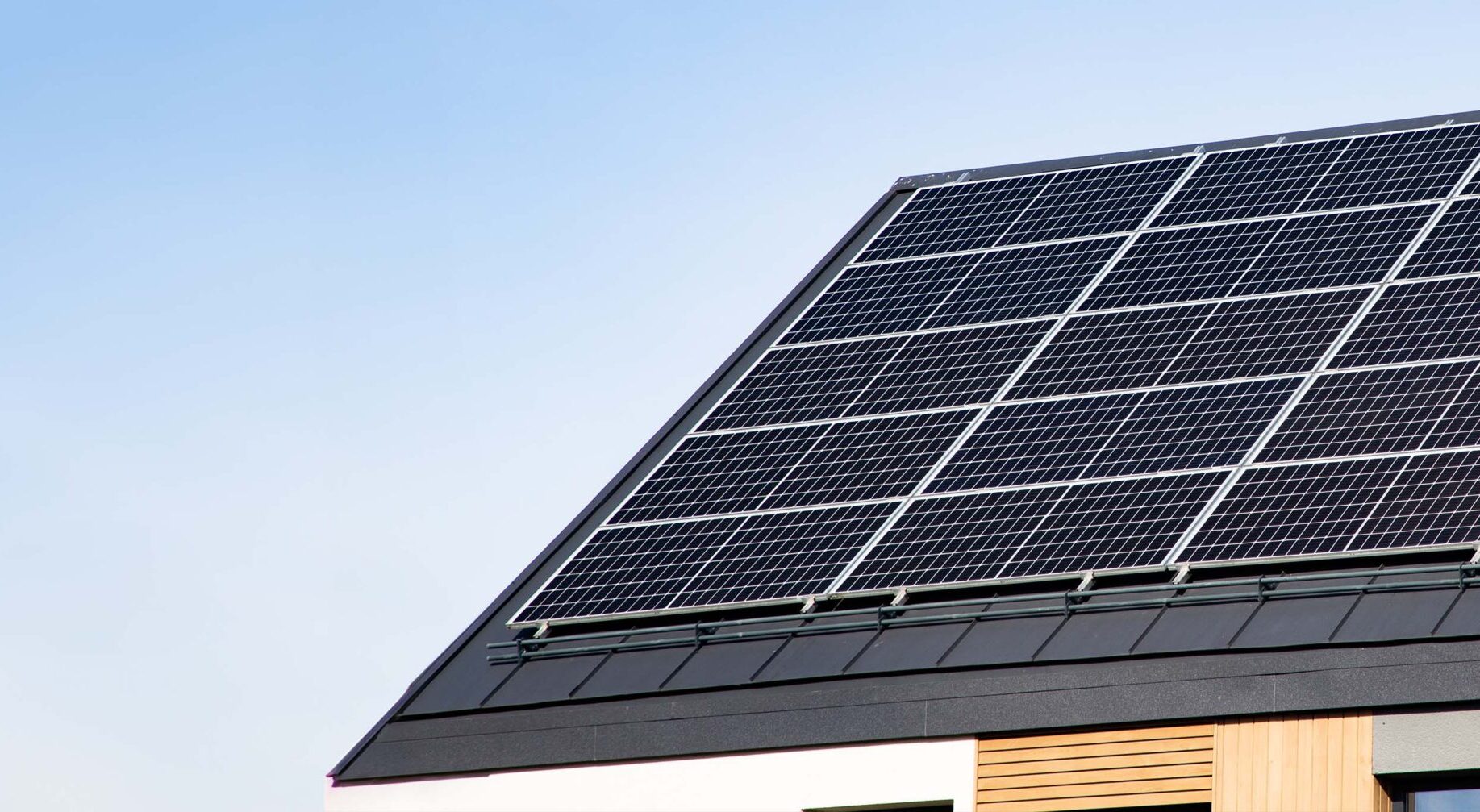
Solar: generating electricity at home
Solar panels can help you generate electricity during the day and reduce how much electricity you need to buy from the grid. Solar usually works best when you can use a good portion of the electricity as it is generated, for example by running appliances, heating hot water or charging an EV during daylight hours.
To connect your solar system will connect to the Northpower network, it needs approval before it starts operating. Your installer can help you apply, provide the technical information we need and explain whether any export limit, inverter setting or network requirement applies.
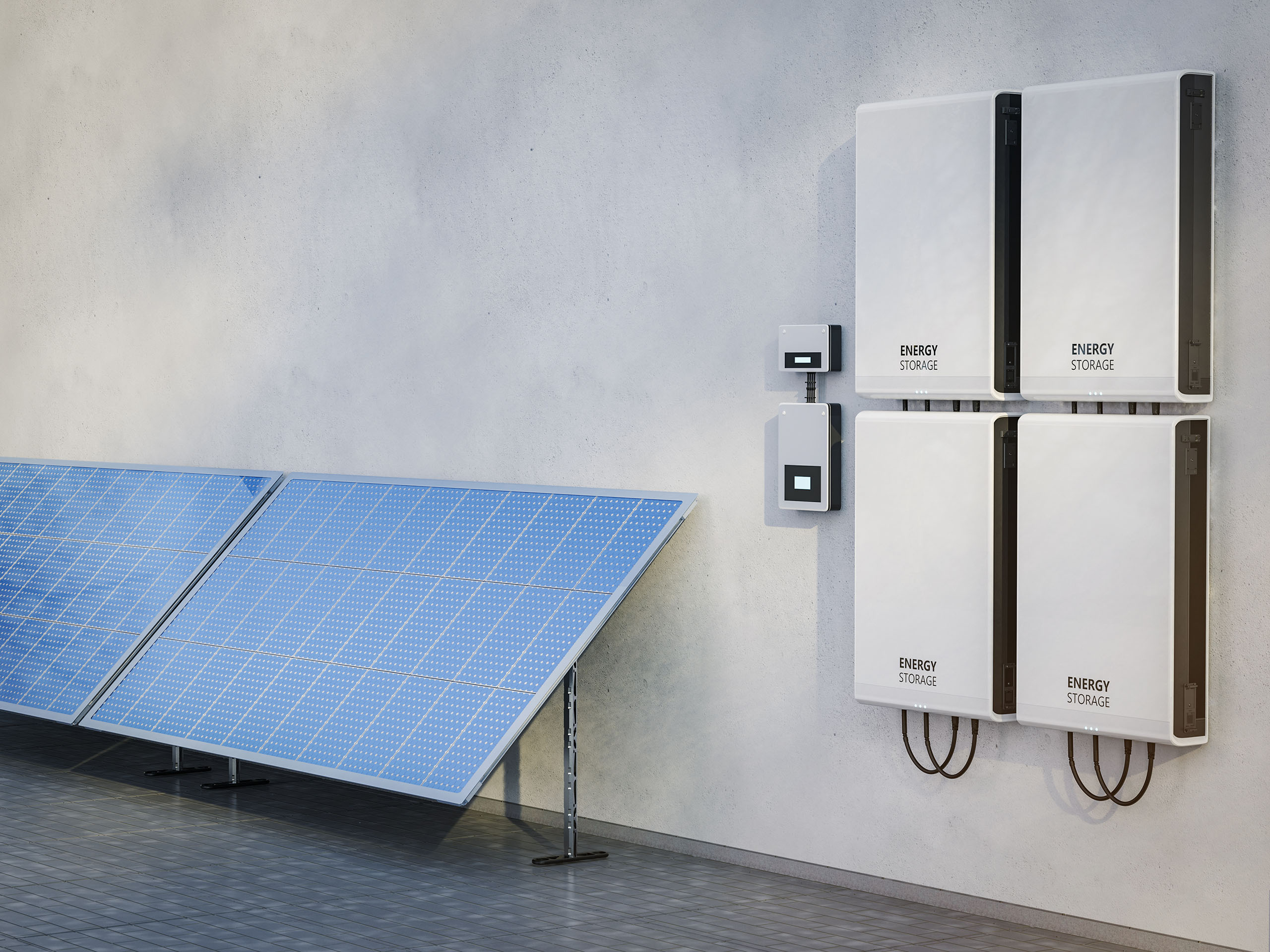
Batteries: storing electricity for later
A home battery can store electricity from solar panels or the grid so it can be used later, such as in the evening when household demand is higher. Batteries may also provide backup power if they are specifically designed and installed for that purpose, but standard solar and battery systems do not always operate during outages.
Batteries can change how much electricity your home imports and exports, so they need to be considered as part of the overall system design. If you are thinking about adding a battery now or later, talk to your installer before buying solar so your system can be designed with future options in mind.
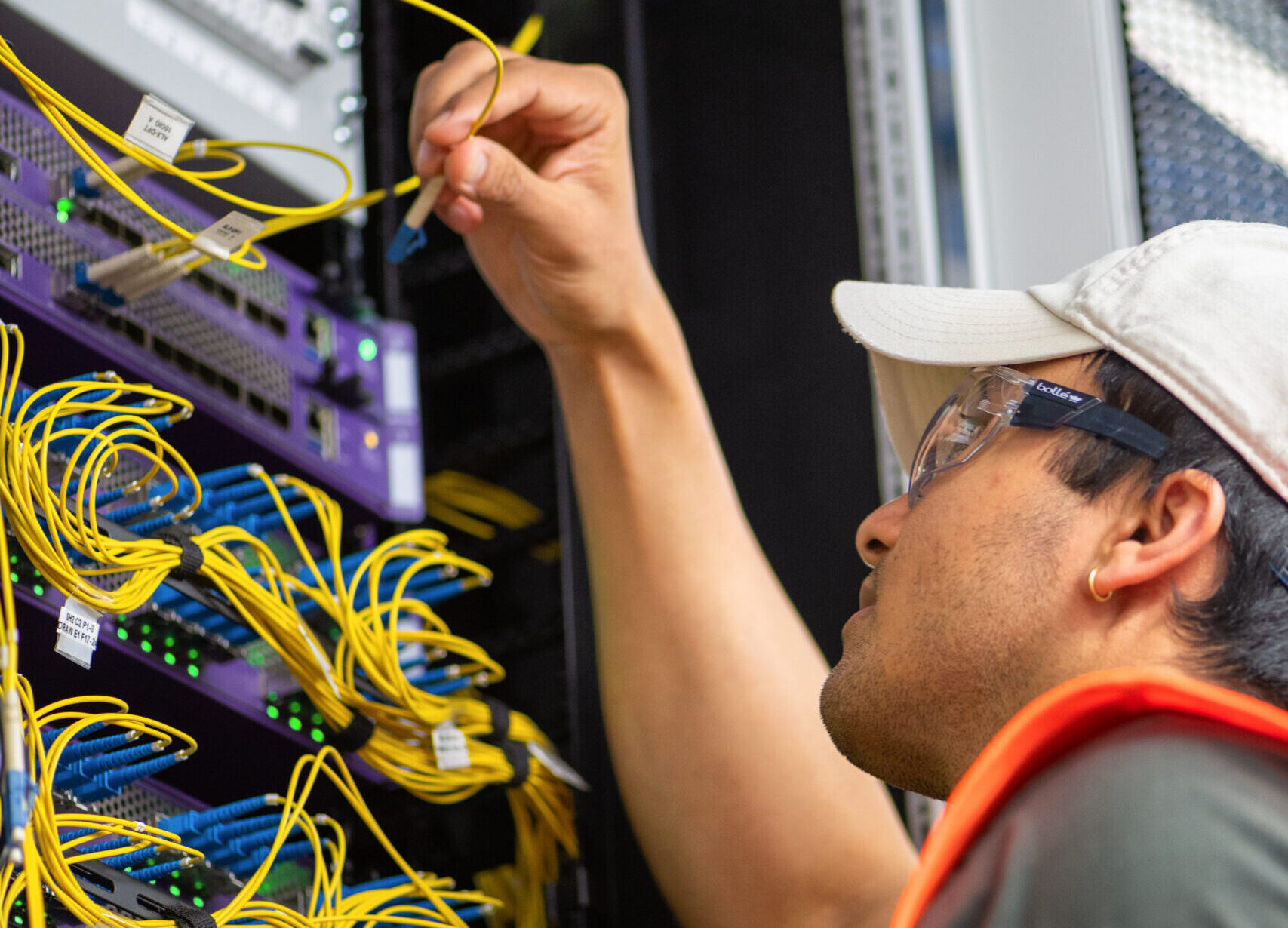
Check what your home and connection can support
As you electrify more things, your electricity use may change. Some changes are small, while others may require electrical work or network consideration. Before installing high-use equipment such as EV chargers, solar, batteries, large heat pumps or hot water upgrades, ask a licensed electrician or installer to check your switchboard, wiring, metering and supply arrangement.