

Easements
Easements
As part of your application to connect you to our electricity and/or fibre network, we may require an easement(s), either from you, or your neighbour/s, to convey electricity and/or telecommunications and/or to give us access. Factors that determine if we need such an easement could be:
- Whether there is a suitable connection to our distribution network to your boundary
- The purpose of the equipment being installed
- Where the equipment needs to go to connect you to the network
- The type of land on which the equipment is being installed (and who owns the land)
- Whether there is any existing Northpower network equipment located on your land
Equipment (also referred to as assets) that may need to be installed as part of your application:
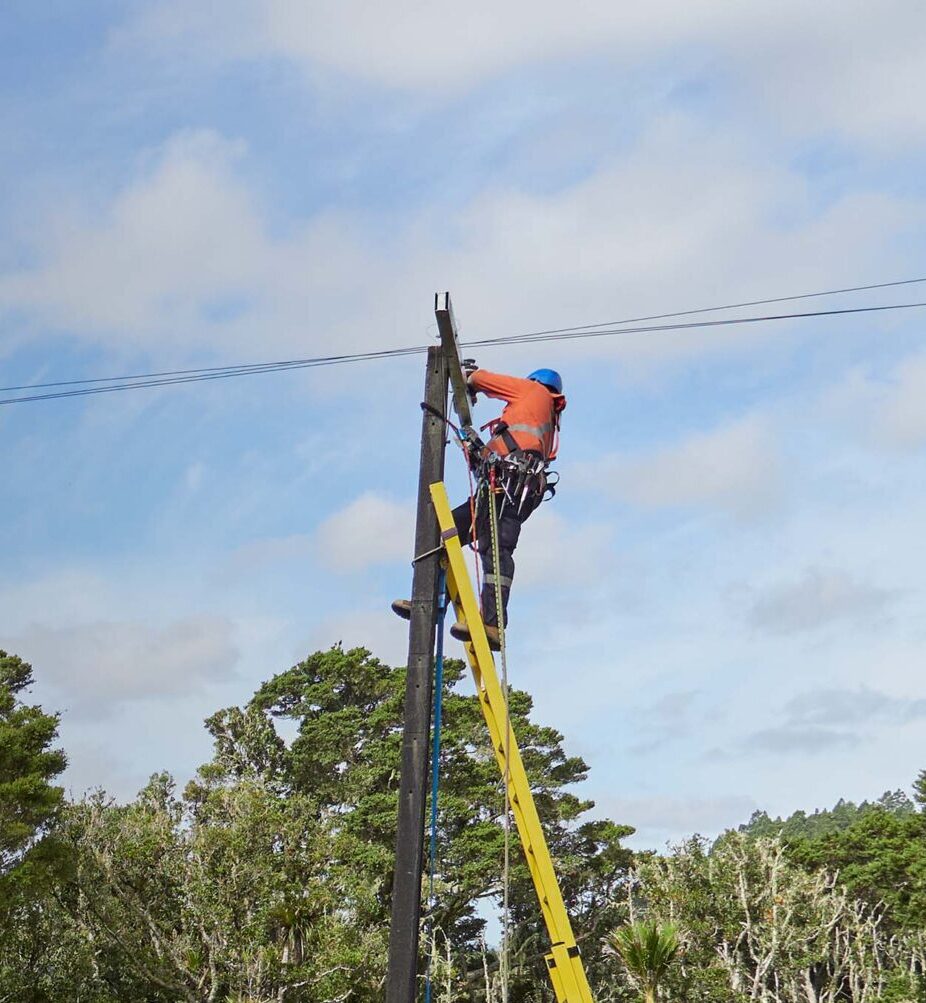
- Overhead poles and lines
- Underground cables
- Transformers or switchgear
Disclaimer: This page gives general information about when an easement may be needed to connect to Northpower’s network. It is not legal advice, and you should not rely on it as the only information for your situation. Northpower does not guarantee that this information is complete or suitable for every property or connection. You should get your own legal advice about any easement requirements that may apply.
What is an easement?
Generally, an easement is a legal right granted by a landowner to a third party to use a portion of their land for a specific purpose. Essentially, it’s permission to use a specific area of land for a particular activity, like access or utilities such as electricity.
An easement gives us the right to put our equipment on someone else’s land and access it. An easement is registered on the Record of Title for the land, so it stays in place even if the land is sold.
Typically, in the context of applications to connect:
- We may require “easement(s) in gross” if the connection application involves the installation of Network assets on your property (or a neighbouring property), or if you are subdividing and there is already Network assets located and operated on your property.
- We may require “easement(s) in favour” to convey electricity and telecommunications over neighbouring property for the benefit of your property (or over your property in favour of neighbouring property).
Northpower will own the equipment under an easement in gross, and we’re responsible for maintaining it. An easement also gives us the right to access the land when we need to inspect or maintain the equipment. You will own the land and be responsible for maintaining it.
As the landowner or occupier, it’s also important you know that we may have existing rights to access your land to undertake certain works on our equipment. These rights are given by the Electricity Act 1992 and apply if our equipment was installed or constructed before 1 January 1993.
Getting an easement
If easement(s) are a requirement to connect, you’ll need to engage a lawyer and a surveyor as part of the process, and you will be responsible for their costs, as well as Northpower’s legal costs. You will also be responsible for obtaining the agreement of any affected neighbour/s and paying their legal and survey costs.
These are the parties that may be involved;
Northpower – specifies the required easement(s) and indicative locations and easement area requirements.
Surveyor – identifies and records the exact area of land affected by the easement so it can be shown accurately on survey plans and legally registered against the property title.
Lawyer – prepares and arranges the parties to sign the legal documents so the easement is valid, enforceable, and properly recorded on the Record of Title.
Types of easement documents
There are two different types of easements used at different stages;
Preliminary Deed of Agreement
This is used before the electrical work starts. It records that the relevant landowner agrees to the installation of electrical equipment on their property, and to registration of the easement once installation and survey is completed. It helps Northpower proceed with the connection work while making sure everyone understands their responsibilities upfront. A Preliminary Deed of Agreement is not generally required for a subdivision because the commitment to install the electrical equipment and register the easement(s) is secured by the subdivision resource consent process.
Authority and instruction form and easement instrument
This is completed after the electrical work is finished, once the exact location of the installed equipment is known. The surveyor can then confirm the actual easement area, and the lawyer can prepare and register the final easement against the Record of Title. This makes the access and maintenance rights under the easement permanent and legally enforceable.
We can help
We can guide you through the process of obtaining an easement and let you know what you need to do along the way.
Frequently Asked Questions
Easement(s) may be needed so Northpower has the legal right to install, operate and maintain Network assets on private land for connection purposes, or so that you have the legal right to install, operate and maintain electrical and telecommunications equipment over your neighbours land to connect to the Network.
The applicant generally needs to arrange the required legal and survey work, including working with any affected neighbours.
The applicant is usually responsible for the costs involved, including lawyer and surveyor fees, Northpower’s costs and any costs for affected neighbours.
If the equipment needs to be placed on or across your neighbour’s land, their agreement is required because the easement affects their property title.
It is an agreement used before work starts. It records that the landowner agrees to the equipment being installed and that a final easement will be registered later.
This is the formal document registered on the Record of Title after the equipment is installed and the exact easement area has been confirmed.
A surveyor identifies the exact area of land affected by the easement so it can be accurately shown on survey plans.
A lawyer prepares or reviews the easement documents, explains the legal effect, and helps register the easement correctly.
Yes. Once registered, the easement remains on the Record of Title and continues to apply if the property changes ownership.
The easement gives Northpower access rights for specific purposes, such as inspecting, maintaining, repairing, or replacing its equipment. We will make reasonable efforts to contact you if we do need access (unless access is required in an emergency).
Equipment could include overhead poles and lines, underground cables, transformers, or switchgear.
Timing can vary depending on the survey work, legal documents, landowner approvals, neighbour involvement, and registration process.
Generally, yes. A preliminary deed of agreement may allow work to start before the final easement is completed.
The connection design or process may need to be reviewed, as Northpower generally needs the affected landowner’s agreement before equipment can be installed on their land.
Find our legal forms here
