Electric vehicles
Powering your EV at home
Switching to an electric vehicle (EV) is one of the single biggest ways to reduce household carbon emissions and lower day-to-day transport costs. According to EECA, driving an EV in New Zealand produces 80% fewer carbon emissions than a petrol or diesel car.
With a growing network of public chargers across Aotearoa, plus the convenience of plugging in at home, fueling your car has never been easier or more cost-effective.
Smart home charging
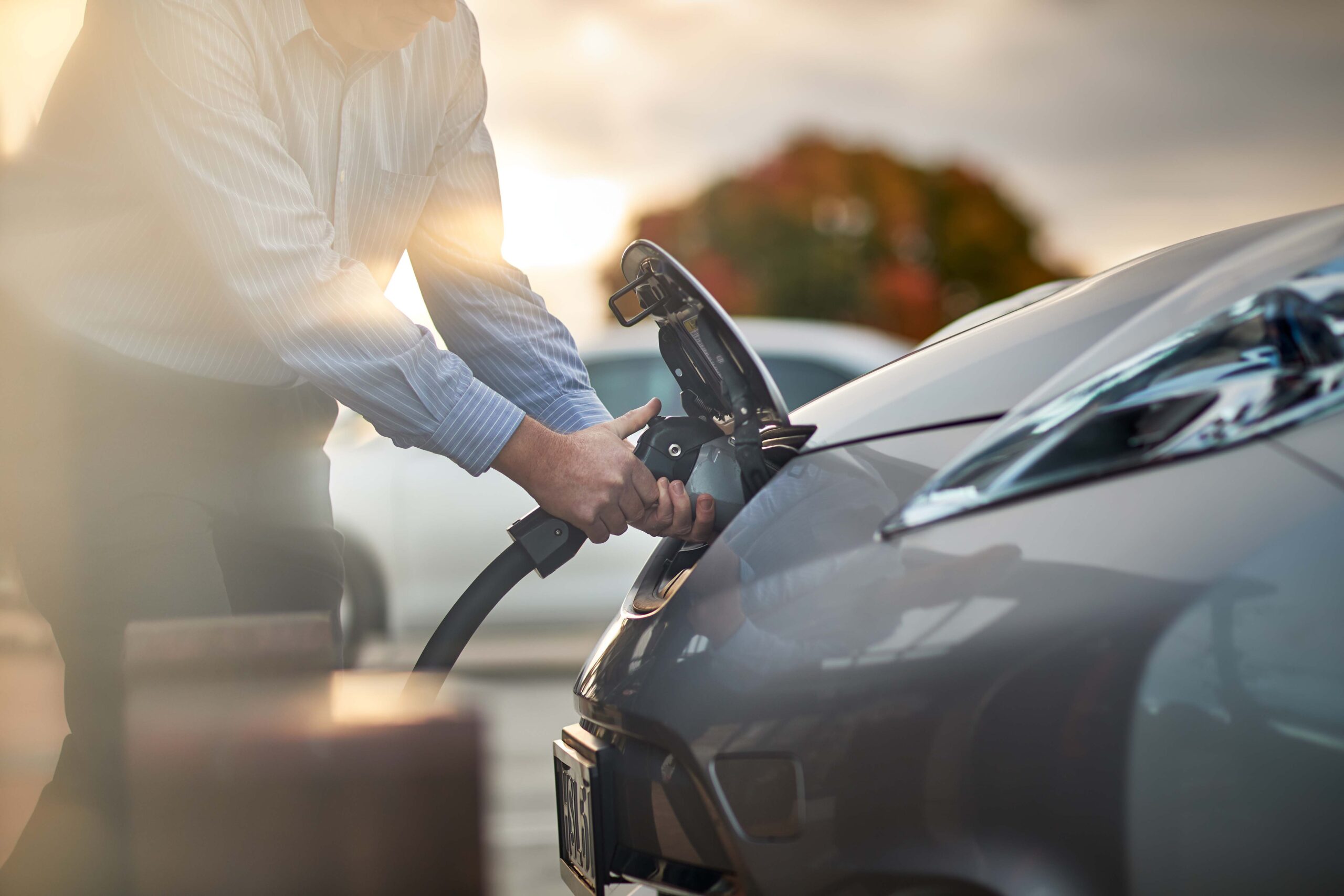
Most EV charging happens at home overnight. By choosing a smart charger or setting timers through your vehicle app, you can optimise how and when you charge:
- You can programme your charger to run during off-peak hours (usually overnight) to take advantage of lower electricity rates from your retailer.
- Charging off-peak reduces pressure on Northpower’s local network during evening peak demand hours (5 PM – 9 PM).
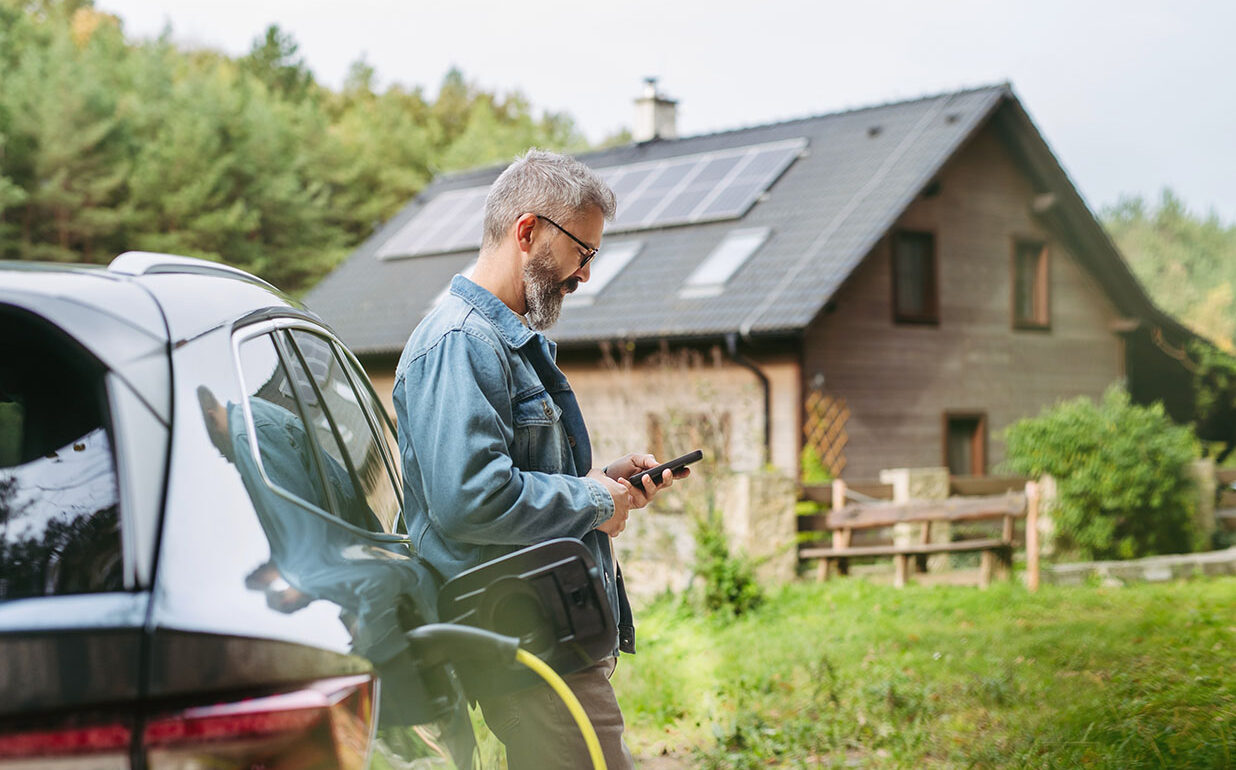
- If you have solar panels, integrate your charger to power your vehicle directly from daytime solar energy for virtually free running costs.
- Emerging V2G technology allows EV batteries to export power back into your home or the grid during peak demand, acting as a flexible home battery
What to check before installing a home charger
Before buying a dedicated wall charger, do a quick safety check with a licensed electrician:
- Ensure your home switchboard and wiring can handle the additional load of a fast wall charger.
- Determine whether a standard 3-pin plug (slow/overnight) or a dedicated charger meets your daily driving needs.
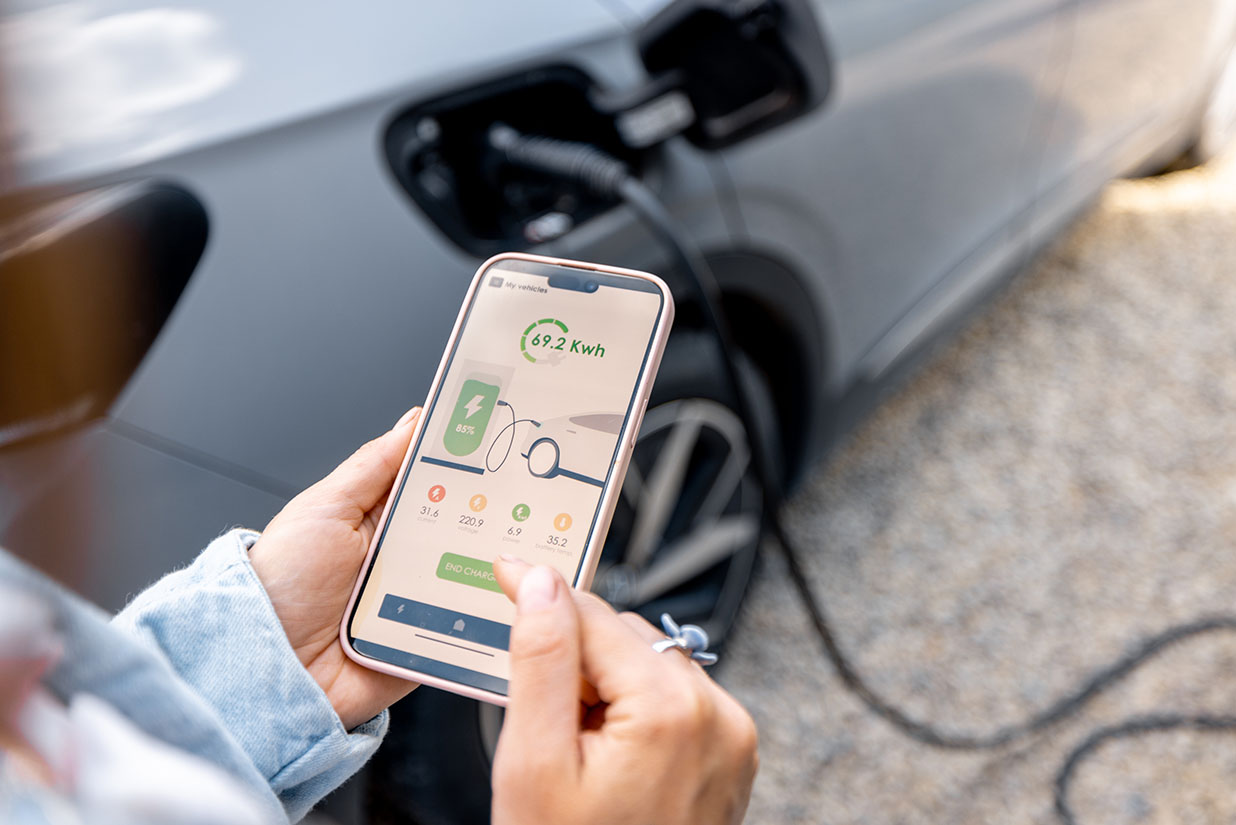
- Choose a smart charger that can be programmed, remotely monitored, or integrated with solar panels.
Business fleet electric vehicles
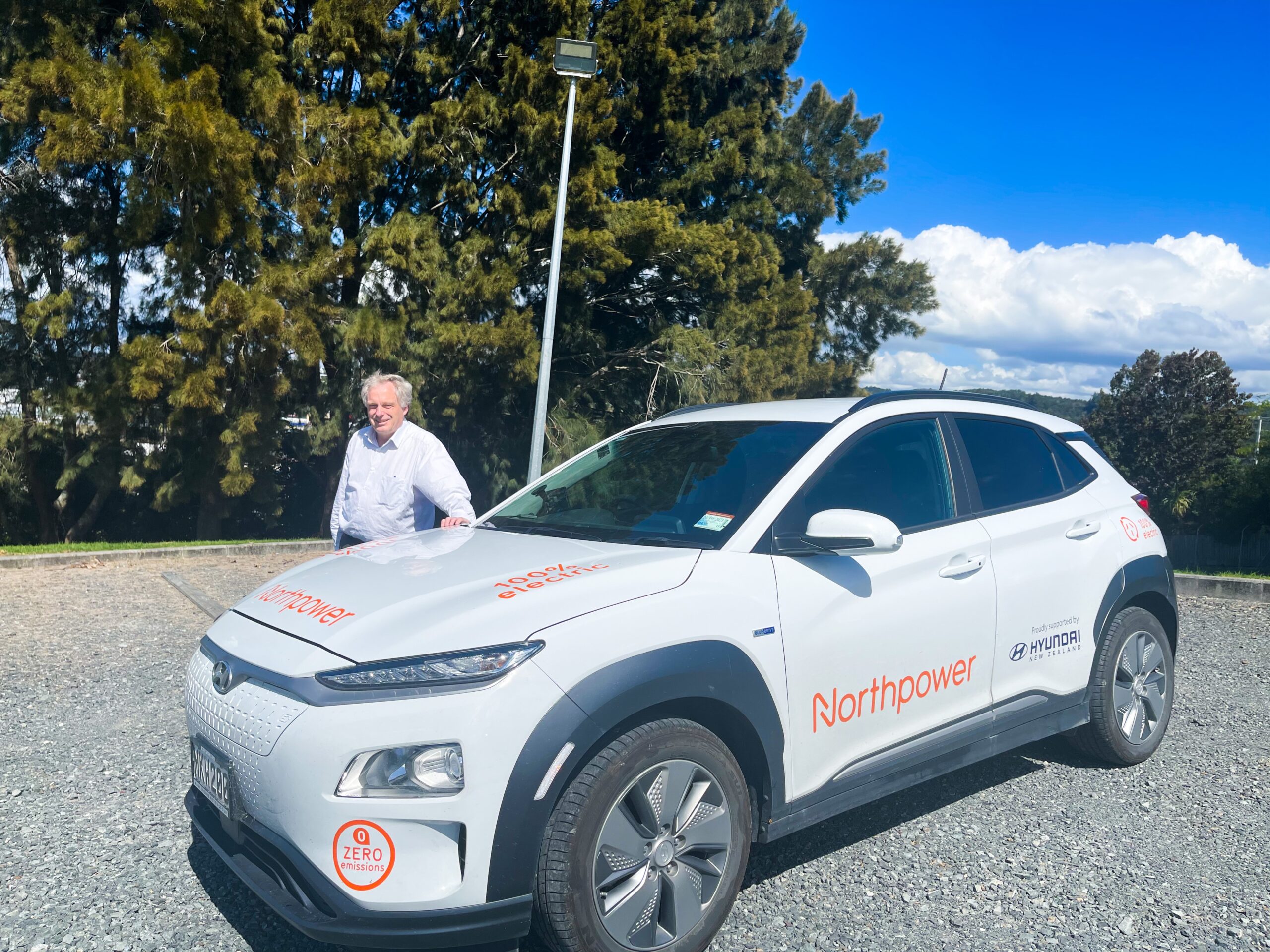
Many New Zealand businesses are now investing in electric vehicles as part of their commitment to reducing emissions across their operations. Because businesses are responsible for purchasing up to 60% of Aotearoa’s new cars each year, they have a significant impact on New Zealand’s emissions profile and vehicle availability.