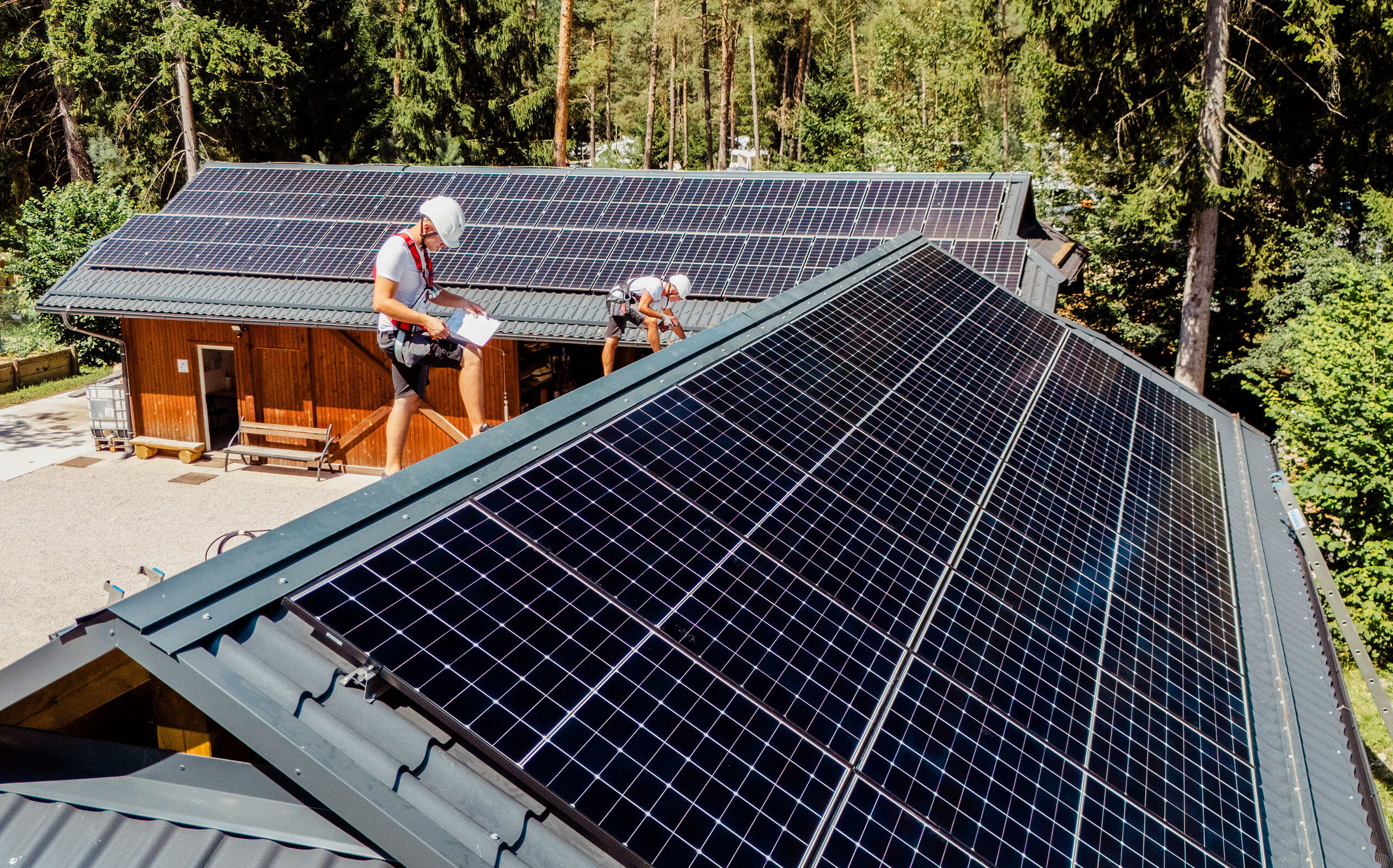
Before you invest in solar
Before you invest in solar: questions to ask and information to gather
Solar can reduce the electricity you buy from the grid, but the best system is one designed around your home, your energy use and your goals. Before signing a contract, compare more than the number of panels or the headline savings.
Ask a suitably qualified installer to use your electricity history, daytime usage, roof conditions and future plans to recommend an appropriate system. Bigger is not always better: using more of your solar electricity in the home can provide better value than sizing a system mainly to export.
Talk to electricity retailers as well as installers. Retailers set buy-back rates and plan terms for exported electricity, while your installer should explain system performance, connection requirements, warranties and ongoing support. Get itemised quotes and make sure any savings estimate states its assumptions.
Questions to ask before you buy
Check your total electricity use in kilowatt-hours over at least the past 12 months, if possible. Look for seasonal changes and take your bills or retailer usage data to the installer so the proposed system can be sized against your actual demand.
Identify how much electricity you use during daylight hours and which loads, such as hot water, appliances or EV charging, could be moved into solar-generating hours. Using more electricity while your panels are generating can reduce the amount you need to buy from the grid.
Ask your installer to estimate how much solar electricity your household will use as it is generated and how much will be exported, month by month if available. This is known as self-consumption and is often where a household receives the greatest value from solar.
Confirm the proposed export level, whether an export limit may apply and who will obtain network approval before the system operates.
Ask your installer to confirm whether your property has a single-phase or three-phase supply, whether generation must be balanced across phases, and which inverter configuration and settings are required. These technical details can affect the system design, how much electricity it can export and what is required for connection to the Northpower network.
Compare buy-back rates alongside import prices, fixed charges, time-of-use periods, contract terms and any metering requirements.
Compare the upfront cost with likely bill savings, useful capacity, expected life, warranty and whether backup power requires extra equipment or dedicated circuits.
Ask your solar installer for the total installed cost, expected annual savings, simple payback period and assumptions about electricity prices, export rates, panel degradation, maintenance and finance.
Check the roof’s orientation, shading, usable area, structural condition and remaining life. Ask whether repairs or replacement are likely during the life of the panels, and how removing and reinstalling the system would affect costs and warranties.
Ask whether the system includes an app or online portal that shows generation, household use, imports and exports. Check whether monitoring access is included, whether there are ongoing fees and who will help if the system is not performing as expected.
Check that the installer and electrician are suitably qualified, and ask who will manage the network application, installation, commissioning and after-sales support. Confirm what the workmanship and product warranties cover, how long they last and who to contact if something goes wrong.
Shop around
This information can sound technical, but a good solar installer should explain it clearly and design a system around how your household uses electricity.
Get more than one itemised quote, compare the assumptions behind projected savings, and choose suitably qualified tradespeople who will provide clear warranties and ongoing support. Be cautious if you are pressured to sign quickly or cannot get clear answers in writing.