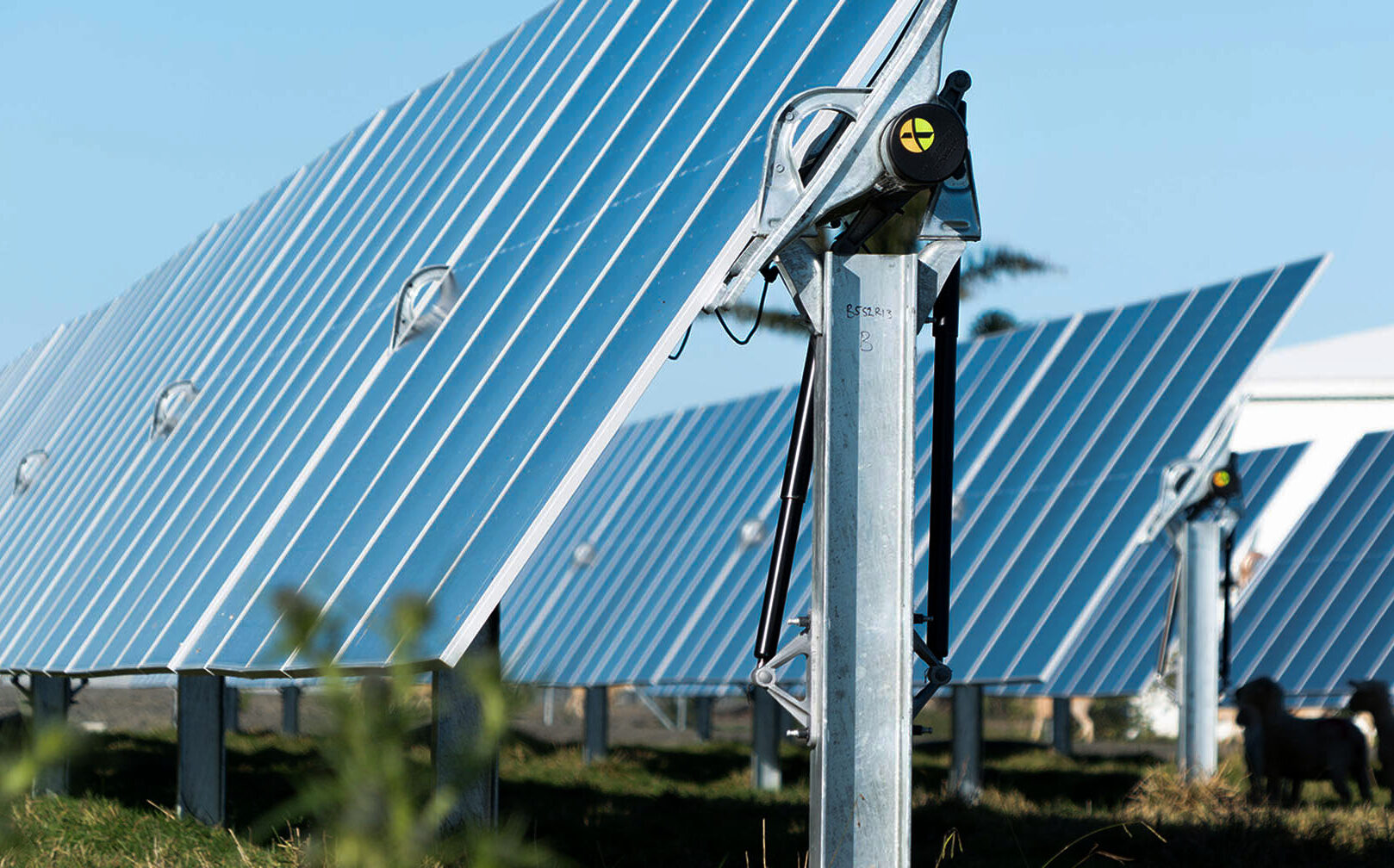
Solar application process
How the solar application process works
Installing solar or another small-scale generation system is an exciting step, but it is important that it is connected safely and in a way that works for your home, and the local electricity network. At Northpower, our role is to assess the proposed connection to make sure it meets the relevant safety, technical and network requirements, and confirming there is enough capacity available on our network before it starts exporting power back to the grid.
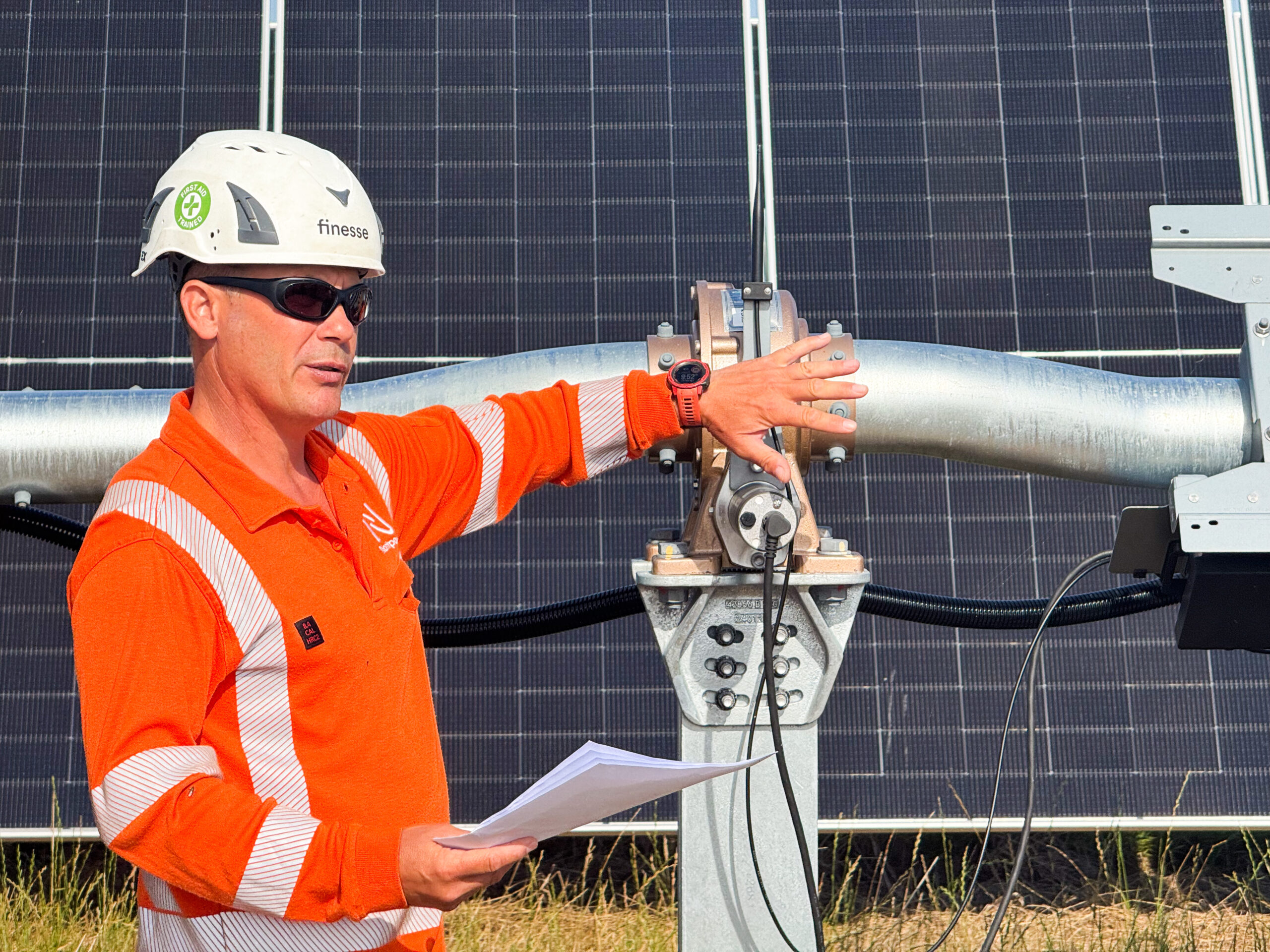
Before you apply
Before an application is submitted, talk to a suitably qualified solar installer about what system size and setup is right for your property. Bigger is not always better. A system that matches when and how your household uses electricity may provide better value than one designed mainly to export as much as possible. Make sure you understand what you are buying before you commit.
You should also talk to electricity retailers early. If you plan to sell excess electricity back to the grid, this will be sold to your retailer. They offer different buy-back rates, plans and contract terms for exported electricity.
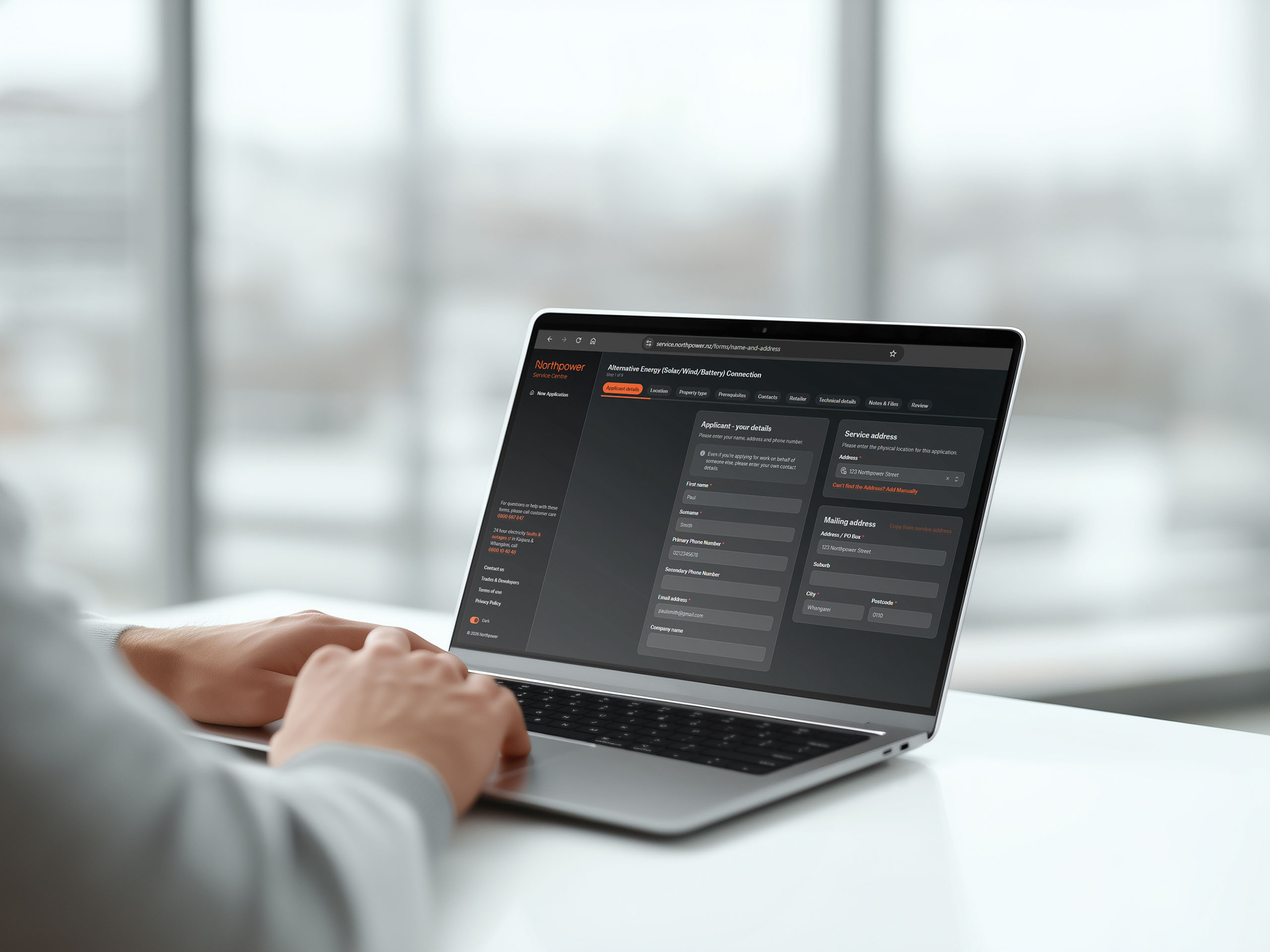
Step 1: Complete the application on our website
Use our Service Centre to complete an ‘Alternative Energy Connection’ application. You will need;
- Bill payer contact details
- Electrician contact details
- Electricity retail account holder contact details
- Electricity retailer
- The type of alternative generation, your generating and storage capacity, the make and model of your inverter, and the size and number of panels being installed
- System provider and installer contact details
Step 2: Northpower assesses the proposed connection
We review the information provided and may ask for more detail if something is missing or if the proposed system needs closer technical assessment.
We assess whether the proposed system can connect safely and reliably. This includes checking the electrical safety and compliance information, the approved inverter and settings, the proposed export level, the connection phasing, and whether the local network can manage electricity flowing back into it without affecting nearby customers.
For typical small residential systems, the process is generally straightforward when all the required information is supplied. More complex systems, batteries, EV vehicle-to-grid capability or constrained parts of the network may require additional review.
Sometimes we can approve the application as proposed. In other cases, we may approve it with conditions, such as an export limit or specific inverter settings. If further work is needed, we will explain what is required before the system can proceed.
You can check out our technical requirements for small to medium scale generation, which explains the requirements in more depth.
Step 3: Installation, inspection, and certification
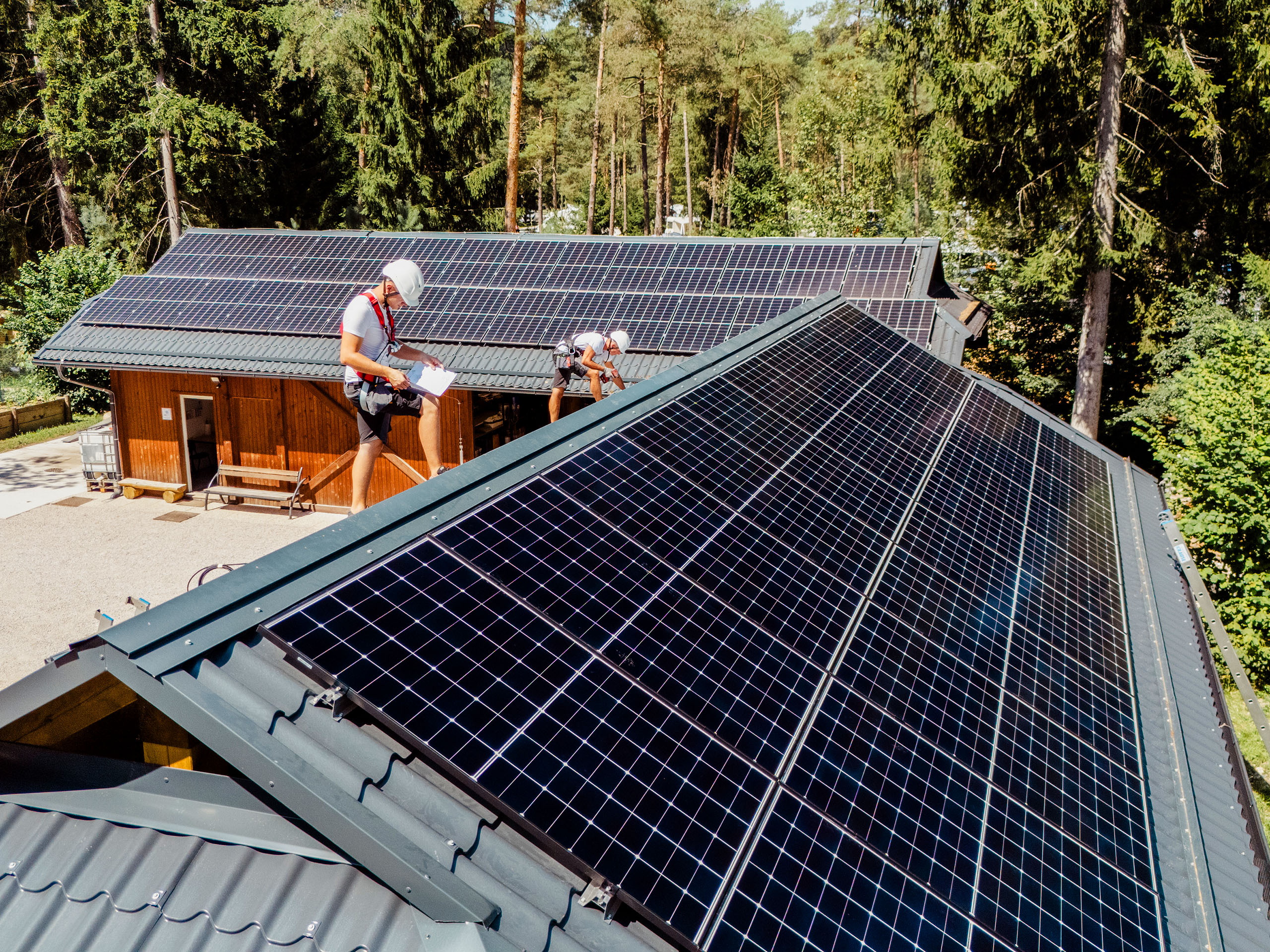
Once the application is approved, your installer or electrician can install the system in line with the approved design and any conditions.
The installation must be electrically certified and inspected where required. Your installer, electrician, inspector, livening agent and retailer may all have a role to play before the system is ready to operate.
Step 4: Final connection and operation
When the installation, inspection, certification and any metering requirements are complete, then you are able to turn the system on and export to grid. You then have five working days to return the required commissioning documentation (including the Record of Inspection, Certificate of Compliance and Livening form).
This information is audited by Northpower so we can ensure it is installed and operating safely, and meets all regulatory requirements, and we can inform the required regulatory bodies.

After installation
Having your solar system installed and operating is not the final step. You will gain the most benefit from solar if you use the electricity you generate. Often, you will need to make simple changes to your electricity usage habits to get the most out of it.
It is also a good idea to have an annual maintenance plan, which includes cleaning the solar panels to maintain maximum efficiency.