

Solar and the network
Solar and the network: Working together
Installing solar is a great way to reduce your electricity bills and take greater control of your energy use. But when it comes to getting the best value from your investment, there’s an important point to remember: the electricity you use yourself is usually worth more than the electricity you export to the grid.
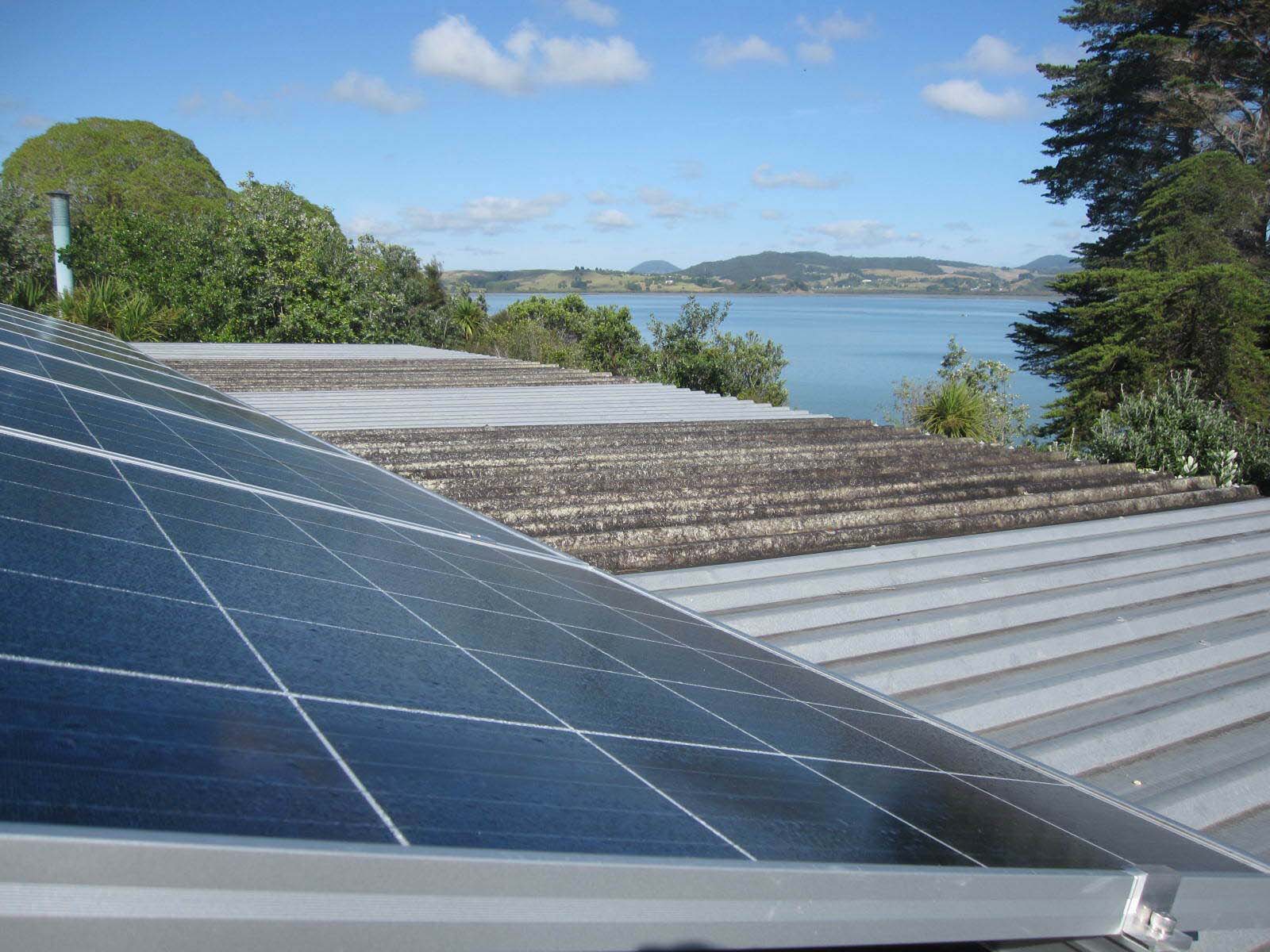
Your solar panels generate electricity, but not always when you need it
Most homes use the most electricity in the morning and evening, while solar panels produce most of their energy during the middle of the day. If no one is using that electricity when it’s generated, the excess flows back into the local electricity network and you receive an export payment from your retailer, often called a buy-back rate.
Exporting excess energy can help offset some of your electricity costs and can contribute towards keeping your network connection available when you need it. However, export payments are typically much lower than the price you pay when buying electricity from the grid, and are likely to decrease as more people export electricity back to the grid at the same time.
Why export capacity isn't unlimited
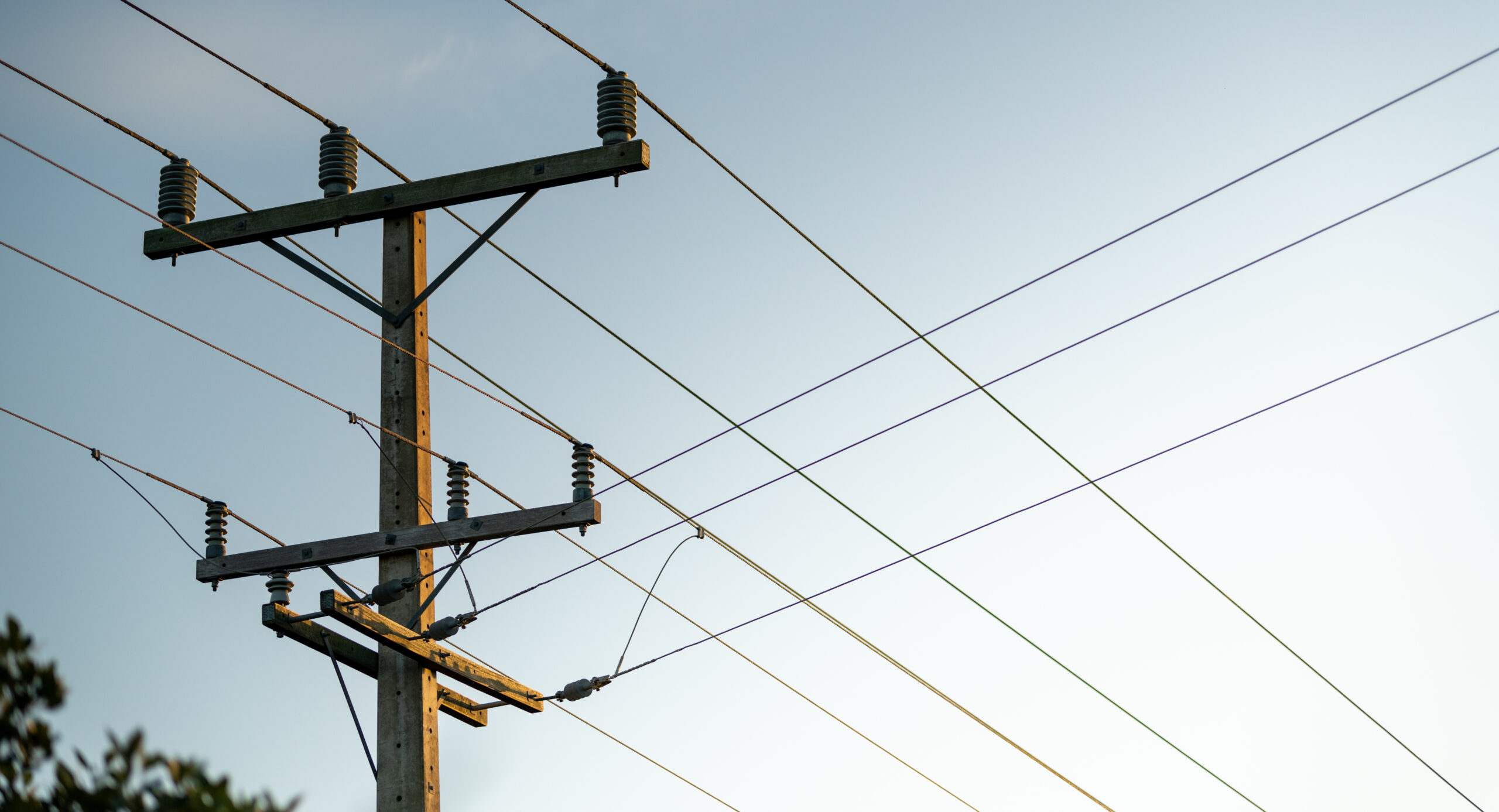
The electricity network was originally designed to deliver power to homes and businesses. As more people install solar, parts of the network are seeing increasing amounts of electricity flowing in the opposite direction.
In many areas there is still plenty of capacity to accommodate solar exports. However, in some locations and at certain times of the day, high levels of solar generation can create network constraints. This can affect voltage levels and place limits on how much electricity can be exported safely.
As New Zealand’s solar uptake continues to grow, network companies may need to manage exports more actively to maintain a reliable electricity supply for everyone connected to the network.
Getting the most value from solar
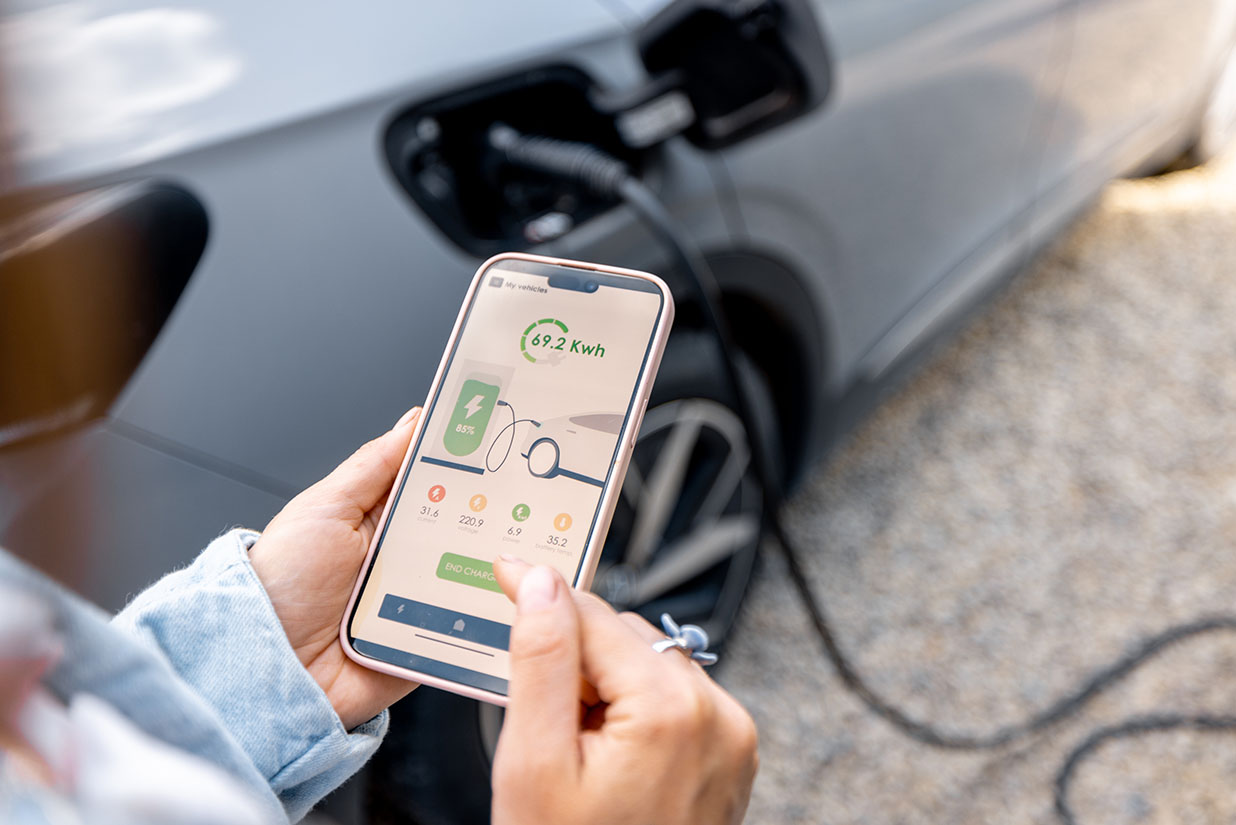
The most effective solar systems are often those that maximise the amount of energy used on-site. Simple ways to increase self-consumption include: Running dishwashers, washing machines and dryers during the day.
- Using timers for hot water heating.
- Charging electric vehicles when solar generation is highest.
- Considering home batteries if they make economic sense for your household.
- Using smart energy management systems that automatically shift loads to periods of solar production.
By using more of the electricity you generate, you reduce the amount of electricity you need to purchase from the grid, which is often where the largest savings can be achieved.

Make it work for you
Rather than designing a solar system solely to maximise exports, many homeowners are finding the best long-term value comes from:
- Using as much solar energy as possible within their home.
- Exporting excess generation when available.
- Maintaining a network connection as a reliable backup source of energy.
As solar adoption grows, homes and networks will increasingly work together to create a smarter, more flexible energy system. The households that get the most value are likely to be those that focus first on consuming the energy they generate and treat exports as an added benefit rather than the primary source of savings.
